How to Straighten Hair: A Complete Guide to Achieving Sleek, Smooth Results
10 min read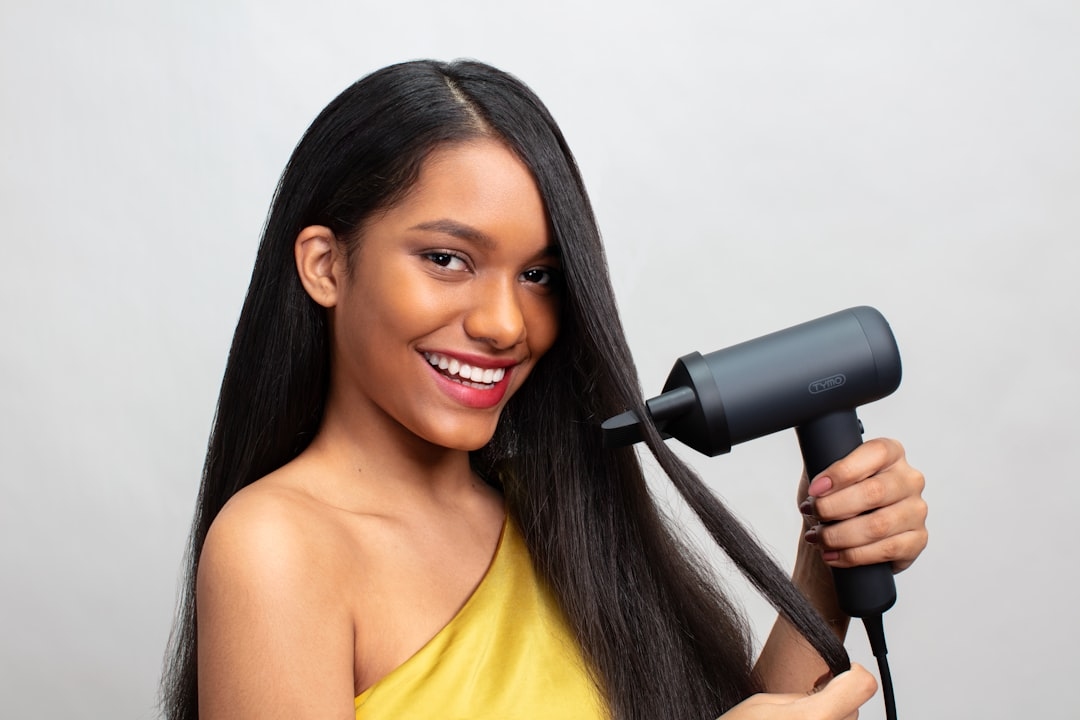
Contents:
- Understanding Hair Straightening vs Hair Relaxing
- Heat-Based Methods: The Most Accessible Option
- Flat Iron Straightening: Temperature and Technique Matter
- Blow Dryer Method: Lower Heat, More Time
- Chemical Straightening Treatments: Permanent and Semi-Permanent Solutions
- Sodium Hydroxide Relaxers: The Traditional Approach
- Calcium Hydroxide and Ammonium Thioglycolate: Gentler Alternatives
- Keratin Treatments: The Semi-Permanent Middle Ground
- Heat-Free Straightening Methods
- Roller Setting: Overnight Straightening
- Smoothing Creams and Serums
- Tension Setting
- Practical Tips for Better Results
- Prep Your Hair Properly
- Manage Moisture and Humidity
- Use the Right Products Throughout
- Minimize Damage Over Time
- Straightening for Different Hair Types
- Fine or Thin Hair
- Thick or Coarse Hair
- Previously Colour-Treated Hair
- Straightening Hair: Comparison with Hair Relaxing (Summary)
- Frequently Asked Questions About Hair Straightening
- How often can I safely straighten my hair with a flat iron?
- Will straightening permanently damage my hair?
- Can I straighten very thick, textured hair at home?
- What’s the best product to straighten hair without heat?
- How long do keratin treatments actually last?
- Moving Forward: Choosing Your Straightening Method
Frizz wins the battle most days. That’s the reality for millions with wavy, curly, or textured hair. The good news: straightening hair effectively isn’t about choosing the most expensive tool or damaging your locks with excessive heat. It’s about understanding which methods work for your specific hair type and applying them correctly.
Whether you’re after a temporary smooth finish for a special occasion or considering a semi-permanent solution, the options available in 2026 are far more sophisticated than the flat iron your mum used in the 1990s. This guide covers everything from heat-based styling to chemical treatments and heat-free methods that actually deliver results.
Understanding Hair Straightening vs Hair Relaxing
Before diving into techniques, clarify the distinction between hair straightening and hair relaxing—two terms often used interchangeably but fundamentally different in execution and permanence.
Hair straightening refers to temporary methods using heat or styling products to create a smooth appearance. These effects wash out after your next shampoo. Flat irons, blow dryers, and smoothing serums fall into this category. They’re ideal for flexibility: you can switch between curly and straight styles based on your mood or occasion.
Hair relaxing (or chemical straightening) uses chemical processes—typically formulas containing sodium hydroxide or ammonium thioglycolate—to alter your hair’s protein structure permanently. Once applied, your hair remains in that straightened state until new hair grows in. This approach suits people seeking a consistent, maintenance-light style.
The choice depends on your lifestyle, budget, and hair health. Temporary methods cost £15–£80 per tool but require regular application. Chemical treatments range from £80–£300 professionally and last 6–12 weeks as your hair grows out.
Heat-Based Methods: The Most Accessible Option
Heat styling remains the most popular approach globally because it’s reversible, affordable, and doesn’t require a salon visit. The method works by using moisture and heat to rearrange your hair’s hydrogen bonds temporarily.
Flat Iron Straightening: Temperature and Technique Matter
A quality flat iron (or hair straightener) applies controlled heat between two heated plates to press your hair straight. Quality matters significantly. Cheap flat irons (under £25) often heat unevenly and can damage hair. Professional-grade models (£60–£200) include digital temperature control, which is essential.
Optimal temperature ranges:
- Fine or thin hair: 200–250°C
- Medium thickness: 250–300°C
- Thick or coarse hair: 300–350°C
- Textured or previously chemically treated: Start at 250°C and adjust upward carefully
Technique is equally important as temperature. Section your hair into four quadrants. Work with one-inch sections, gliding the straightener from root to tip in one smooth motion. Rushing or multiple passes over the same section increases heat damage.
Always apply a heat protectant spray first. These products create a barrier reducing moisture loss by 30–50%, according to tests by the International Journal of Trichology. Products like leave-in conditioners (around £8–15) or silicone-based protectants (£10–20) both work effectively.
Blow Dryer Method: Lower Heat, More Time
The blow dryer method straightens without a flat iron, relying instead on a high-powered dryer paired with a paddle brush. This technique suits those seeking less intense heat exposure but requires more time—typically 30–45 minutes for shoulder-length hair.
The process: Start with damp hair, apply a smoothing cream or mousse, then dry in sections using a large paddle brush held taut. The brush tension combined with heat temporarily aligns your hair cuticles. Results last 2–3 days depending on humidity.
This method works better in drier climates like parts of the South of England or Scotland. In more humid regions like the Southwest or Southeast, the effect diminishes faster because moisture reactivates your hair’s natural curl pattern.
Chemical Straightening Treatments: Permanent and Semi-Permanent Solutions
For those tired of daily styling, chemical treatments offer longer-lasting results. Options range from permanent relaxers to gentler temporary treatments.
Sodium Hydroxide Relaxers: The Traditional Approach
Sodium hydroxide-based relaxers are the original chemical straightening solution, used since the 1960s. They break down the protein bonds in your hair permanently, causing the straightened state to remain until new hair grows. They’re highly effective but caustic.
Safety considerations: These chemicals can burn scalp if left on too long (recommended processing time: 10–15 minutes maximum). They also reduce elasticity permanently, making hair more prone to breakage if used incorrectly. Professional application costs £120–£250 depending on hair length and thickness.
If your scalp is sensitive, a patch test 24–48 hours before application is non-negotiable. Around 15% of people experience mild scalp irritation with sodium hydroxide formulas.
Calcium Hydroxide and Ammonium Thioglycolate: Gentler Alternatives
These chemical systems are less harsh than sodium hydroxide. Calcium hydroxide (sometimes marketed as “lye-free” relaxers) and ammonium thioglycolate (also called “thio” relaxers) still alter hair permanently but pose lower scalp burn risk.
Ammonium thioglycolate is particularly popular for colour-treated hair because it’s less drying than sodium hydroxide. The tradeoff: processing takes longer (up to 20 minutes), and results may be less dramatically straight. Costs hover around £100–£200 professionally.
Keratin Treatments: The Semi-Permanent Middle Ground
Keratin treatments don’t permanently alter your hair’s structure like relaxers, but they’re not temporary like blow-drying either. They coat hair with keratin protein, smoothing the cuticle and reducing frizz. Results last 6–12 weeks.
The standard process involves applying keratin solution, letting it process for 20–30 minutes, then sealing it with heat. Professional keratin treatments cost £80–£200. Home versions exist (£20–£50) but deliver less dramatic results because they use lower keratin concentrations and don’t include professional-grade sealing steps.
Key limitation: Keratin treatments reduce curl and frizz but don’t completely straighten textured hair like relaxers do. They’re ideal for wavy hair or those wanting softer curls rather than straight locks.
Heat-Free Straightening Methods
If heat concerns you or you want to minimize daily styling, several heat-free options exist. They won’t match flat iron results but offer reasonable alternatives.
Roller Setting: Overnight Straightening
Large-barrel rollers (40mm or larger) combined with a styling mousse or setting lotion can straighten curly or wavy hair when left in overnight. This method is free beyond the initial roller purchase (£8–20 for a set of six).
Process: Shampoo, apply setting lotion, wind damp hair onto large rollers, sleep, then remove rollers in the morning. The result is smoother than natural texture but not glass-straight. Works best on loose waves or 2C–3B curl patterns. Very tight curls (4A and above) won’t respond much.
Smoothing Creams and Serums
Styling products can’t structurally straighten hair, but they reduce frizz and add shine, making curly hair appear flatter. Look for products containing silicone, argan oil, or coconut oil. Apply to damp hair and either air-dry or blow-dry.
These products cost £10–£35 and work best as a complementary tool rather than a standalone solution. Brands vary significantly in effectiveness. Testing on a small section first is smart; some formulas can make fine hair look greasy.
Tension Setting
A simple but effective method: brush damp hair smoothly backward or to the side, secure with clips or a tight band, then air-dry completely. The tension combined with gravity straightens hair gently without heat.
This takes hours (usually overnight) and works only on slightly wavy hair, not tight curls. It’s ideal for maintaining a straightened look achieved through other methods between wash days.
Practical Tips for Better Results
Prep Your Hair Properly
Hair structure affects straightening results. Start with clean hair shampooed and conditioned. The conditioning step is crucial—hydrated hair straightens more easily and retains moisture better during heat styling.
Rinse with cool water as your final step; cool water seals the cuticle, reducing frizz. This step alone improves straightening longevity by 20–30%.
Manage Moisture and Humidity
Humidity is your enemy if you want straight hair to stay straight. Water molecules reactivate your hair’s natural curl pattern. Straightened hair resists humidity best in drier climates, which is why people living in the Northeast or Midwest (drier air patterns) often report straighter hair lasting longer than those in Southwest or coastal regions with higher humidity.
Apply anti-frizz serums or humidity-resistant sprays before heading into humid conditions. These products cost £12–£25 and create a protective coating. Reapply mid-day if needed.
Use the Right Products Throughout
Your styling routine extends beyond the straightening step itself:
- Pre-straightening: Heat protectant spray (mandatory, £8–15)
- During styling: Smoothing cream or mousse if blow-drying (£10–20)
- Post-straightening: Light finishing spray for hold, not hairspray which can get crunchy (£10–18)
- Between washes: Dry shampoo or anti-frizz serum (£7–15)
Total investment for a solid product routine: £35–£68 and these products last 2–4 months.
Minimize Damage Over Time
Repeated heat exposure weakens hair. If you straighten daily, limit heat to no more than 3–4 days per week. On off days, wear your hair in its natural state or use heat-free styling methods.
Deep condition weekly if using heat regularly. Look for masks containing keratin, silk proteins, or oils. Apply to mid-lengths and ends, leave for 15–20 minutes, then rinse. This costs £12–£30 per tube but lasts several weeks.
Trim every 8–10 weeks. Heat-damaged ends are split ends, and split ends travel upward toward the scalp. Regular trims prevent this cascade effect and keep straight hair looking polished.
Straightening for Different Hair Types
Fine or Thin Hair
Fine hair requires lower heat (200–250°C) and gentler chemical treatments. Avoid sodium hydroxide relaxers; ammonium thioglycolate or keratin treatments are safer choices. Use lightweight smoothing products; heavy ones weigh fine hair down and make it look limp.
Heat-free methods like roller setting or tension setting are often sufficient for fine, wavy hair.
Thick or Coarse Hair
Thick hair tolerates higher heat (300–350°C) and stronger chemical treatments. Sodium hydroxide relaxers deliver the most dramatic results for very coarse or thick textured hair. Blow-drying alone rarely straightens thick hair adequately; a flat iron or chemical treatment is usually necessary.
Previously Colour-Treated Hair
Colour-treated hair is more porous and fragile than virgin hair. Lower heat settings (250–280°C), frequent conditioning, and gentler chemical options like ammonium thioglycolate are advisable. Avoid sodium hydroxide relaxers; they can strip colour and increase breakage dramatically in already-compromised hair.
Keratin treatments are ideal for coloured hair because they add protein and shine while straightening.
Straightening Hair: Comparison with Hair Relaxing (Summary)
To clarify the recurring confusion:
| Aspect | Hair Straightening (Temporary) | Hair Relaxing (Permanent) |
| Duration | Until next wash (2–5 days) | 6–12 months until new growth |
| Cost per application | £0–£5 (at home) or £20–£40 (salon) | £80–£300 (professional only) |
| Hair damage risk | Moderate with repeated use | Higher; alters protein structure permanently |
| Reversibility | Yes, hair returns to natural state | No, requires growing out |
| Suitability for fine hair | Good (various options) | Risky without professional care |
Frequently Asked Questions About Hair Straightening
How often can I safely straighten my hair with a flat iron?
Limit heat straightening to 3–4 times per week if you want to preserve hair integrity. Daily straightening accelerates protein loss, leading to breakage and dull appearance within 4–6 weeks. If you straighten daily, deep condition weekly and trim every 6–8 weeks instead of the standard 8–10.
Will straightening permanently damage my hair?
Heat straightening (flat iron, blow dryer) doesn’t permanently damage hair—your hair naturally repairs itself when you stop using heat. However, repeated heat exposure weakens hair gradually, making it more prone to breakage. Chemical straightening does cause permanent alterations but doesn’t “damage” if applied correctly by professionals. The key is maintenance: condition regularly, trim often, and use heat protectants.
Can I straighten very thick, textured hair at home?
Yes, but results depend on your hair’s curl pattern. Looser waves (2–3C) straighten easily with a quality flat iron (£60+ minimum) and proper technique. Tighter curls (3C–4C and above) often require chemical treatment for dramatic straightening. Chemical applications at home carry higher scalp burn risk; professional application is safer for very textured hair, especially your first time.
What’s the best product to straighten hair without heat?
No product straightens hair without heat as effectively as heat-based methods. However, smoothing creams with silicone or keratin reduce frizz and make curly hair appear flatter. Keratin treatment products (£20–£80 at home) offer the most effective heat-free option but still require heat to seal them. For truly heat-free straightening, roller setting overnight is your best bet, though results are subtle.
How long do keratin treatments actually last?
Professional keratin treatments last 6–12 weeks. Duration depends on your hair’s porosity, how often you wash, water temperature, and hair type. Coarser hair sheds the keratin coating faster (6–8 weeks). Fine hair retains it longer (10–12 weeks). Washing in cooler water and using sulfate-free shampoo extends results. Budget for touch-ups every 8 weeks if you want consistent results.
Moving Forward: Choosing Your Straightening Method
The best straightening method aligns with your lifestyle, hair type, and commitment level. Daily heat straightening suits people with time and those accepting some heat damage in exchange for flexibility. Chemical treatments appeal to those seeking consistency and willing to commit to a specific style. Heat-free methods work best as supplements or for maintenance between other treatments.
Start with a patch test if trying chemical treatments. Begin with lower heat settings if new to flat irons. Invest in quality tools—a £100 flat iron outlasts five £20 ones and damages hair far less. Prioritise heat protectants and deep conditioning; these £20–£30 investments prevent expensive damage and hair loss.
Track what works for your hair. Note which products deliver results, how long effects last in your local climate, and how your hair responds to different heat levels. Your experience matters more than generic advice. In 6–8 weeks, you’ll know exactly which method deserves your time and money.