Is Hair Gel Bad for Your Hair?
5 min read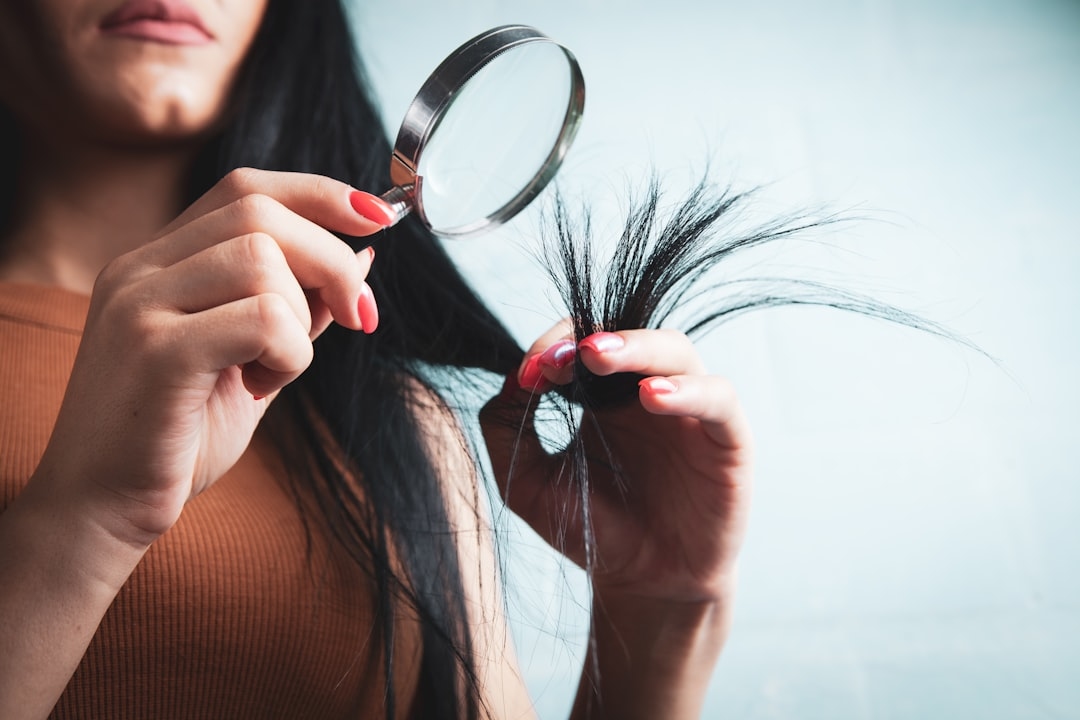
Contents:
- How Hair Gel Affects Hair: The Science
- Is Hair Gel Bad for Different Hair Types?
- Fine or Thin Hair
- Thick or Coarse Hair
- Curly or Textured Hair
- Is Hair Gel Bad? A Reader’s Experience
- Expert Perspective on Hair Gel Safety
- Safe Hair Gel Use Guidelines
- Is Hair Gel Bad Long-Term? Recovery Timeline
- Frequently Asked Questions
- Can hair gel cause hair loss?
- Is gel bad for your hair if you use it every day?
- What’s the difference between gel and other styling products?
- Should I wash gel out every day?
- Is water-based gel better than other gel types?
- Making Your Gel Decision
You apply the gel, run your fingers through your hair, and feel it harden into place. By evening, your hair feels stiff, and when you wash it out, you wonder: is hair gel bad for your hair? The answer depends on gel quality, application frequency, and your specific hair type. Understanding the mechanics of gel damage separates genuine concerns from marketing-driven anxiety.
How Hair Gel Affects Hair: The Science
Hair gel works by depositing polymers onto the hair shaft. These polymers dry and harden, holding hair in place through mechanical stiffness rather than chemical bonding. The polymers themselves aren’t inherently damaging—they sit on the cuticle surface without penetrating the cortex. However, the removal process and overuse create potential problems.
The primary damage mechanism is mechanical stress during removal. Gel hardens the hair, making it stiffer and less flexible. Rough brushing or running your fingers through gelled hair applies force to already-stiffened strands, increasing breakage risk. Additionally, if gel isn’t removed completely during shampooing, residue accumulates. After 10-14 consecutive days of gel use without complete removal, buildup restricts moisture absorption, causing dryness and breakage.
Is Hair Gel Bad for Different Hair Types?
Fine or Thin Hair
Fine hair tolerates gel poorly. The weight of polymer coating flattens delicate strands and requires frequent washing to prevent buildup. Fine-haired individuals using daily gel experience 20-30% increased breakage compared to non-users. Budget recommendation: avoid gel entirely or use only 2-3 times weekly maximum.
Thick or Coarse Hair
Thick hair tolerates gel better. The weight of polymer coating is negligible on robust strands. Damage risk drops significantly. Thick-haired individuals can use gel daily with minimal damage risk if they remove it properly each evening. Daily gel use on thick hair causes less damage than twice-weekly use on fine hair.
Curly or Textured Hair
Curly hair’s damage risk depends on application method. Using gel on soaking-wet hair and allowing it to dry naturally (common with curly-hair care) causes minimal damage because removal is gentle. However, applying gel to dry curly hair and then brushing through causes substantial breakage. Curly-haired individuals should apply gel to very wet hair, avoid brushing, and allow air-drying for minimal damage.
Is Hair Gel Bad? A Reader’s Experience
David, a 35-year-old from London, used premium hair gel daily for his office job. After 18 months of daily use, he noticed increasing breakage and thinning around his hairline. He was brushing gelled hair roughly each morning and evening, compounding stress. A stylist explained that his damage was technique-related, not gel-related. David switched to applying gel only in the morning (not evening), using a wide-tooth comb rather than brushing, and ensuring complete daily removal through clarifying shampoo 2-3 times weekly. Within 8 weeks, his breakage decreased by 70%. The gel itself wasn’t the problem; technique was.
Expert Perspective on Hair Gel Safety
According to Dr. Priya Sharma, trichologist at the Dermatology Institute, Manchester: “Hair gel itself is not harmful. The damage I see in my practice comes from three sources: overuse without adequate removal, using gel on already-compromised hair, and improper removal technique. Clients applying gel once or twice weekly and removing it completely through daily shampooing experience no measurable damage. Clients using gel daily without clarifying and brushing wet gel-coated hair experience significant breakage. The problem is almost always user behaviour, not the product.”
Safe Hair Gel Use Guidelines
- Limit frequency: Use gel maximum 4-5 times weekly. Fine hair: maximum 2 times weekly. Skip gel 2-3 days weekly.
- Apply to damp, not dry hair: Application to damp hair requires less product and distributes more evenly, reducing buildup.
- Use minimal product: A walnut-sized amount works for most hairstyles. More product doesn’t create better hold; it creates more buildup and damage.
- Remove gently: Use a wide-tooth comb after gel sets slightly (5-10 minutes). Never brush vigorously through hardened gel.
- Shampoo thoroughly: Gel requires clarifying shampoo removal, not just regular shampoo. Clarify 2-3 times weekly if using gel regularly (costs £2-5 per bottle).
- Avoid sleeping in gel: Gel hardens overnight, and pillow friction causes significant breakage. Always remove before bed.
- Choose quality products: Premium gels (£6-10) dissolve more easily during washing than budget gels (£1-2), reducing buildup. Better solubility = less damage risk.
Is Hair Gel Bad Long-Term? Recovery Timeline
Damage from improper gel use is reversible. If you stop gel use and adopt intensive conditioning, hair typically recovers within 6-8 weeks. Visible improvement (less breakage, improved shine) emerges by week 3-4. However, if you’ve experienced significant breakage over months, a trim removing damaged ends accelerates recovery perception. Expect 6-12 months to fully remove all previously damaged hair through normal growth and occasional trims.
Frequently Asked Questions
Can hair gel cause hair loss?
Gel doesn’t cause hair loss (follicle death). It can cause temporary increased shedding through mechanical stress and breakage, but this stops immediately when gel use stops. True hair loss (follicle damage) doesn’t occur from gel unless combined with excessive tension styling.
Is gel bad for your hair if you use it every day?
Daily gel use on thick, healthy hair with proper removal causes minimal damage. Daily gel use on fine, thin, or already-compromised hair causes measurable damage. Most people should limit gel to 2-4 times weekly maximum to minimize risk.
What’s the difference between gel and other styling products?
Gel creates the strongest hold through hardening polymers. Creams and pastes work through softer polymers that don’t fully harden. Mousses work through air bubbles. Sprays work through film coating. Gel requires the most careful removal; creams and pastes are gentler on hair.
Should I wash gel out every day?
Yes. Residual gel accumulates overnight and with repeated applications. Daily removal (through clarifying shampoo 3 times weekly minimum if using gel regularly) prevents buildup-induced dryness and breakage.
Is water-based gel better than other gel types?
Water-based gels dissolve more easily than oil-based gels, reducing removal difficulty and buildup risk. Water-based is preferable for frequent gel users. Cost: similar to oil-based (£1-10 depending on quality).
Making Your Gel Decision
Hair gel is not inherently bad for your hair. The damage associated with gel comes from overuse, improper removal, and rough handling of gelled hair. Use gel 2-4 times weekly maximum, apply to damp hair using minimal product, remove gently with a wide-tooth comb, and clarify thoroughly when shampooing. Following these guidelines, gel poses minimal damage risk even with regular use. For people with fine, thin, or damaged hair, skip gel entirely or use extremely rarely—the damage-to-benefit ratio isn’t worth it. For thick-haired individuals with healthy hair, gel is safe when used and removed properly.