Can I Leave a Hair Mask on Overnight?
6 min read
Contents:
- Why Hair Masks Matter: A Quick Background
- Can You Leave a Hair Mask on Overnight?
- Moisturising Masks: Your Best Overnight Choice
- Protein-Based Masks: Time Limits Apply
- Oil-Based and Coconut Masks: Extended Use Is Fine
- Regional Differences in Overnight Hair Care
- Practical Tips for Successful Overnight Masks
- Preparation and Application
- Protection During Sleep
- Removal and Rinsing
- Warning Signs: When to Avoid Overnight Application
- How Often Should You Do Overnight Masks?
- Frequently Asked Questions
- Can I leave a hair mask on for 24 hours?
- Will an overnight hair mask damage my hair?
- What’s the best budget hair mask for overnight use?
- Should I apply overnight mask to wet or dry hair?
- How do I know if my hair needs an overnight mask?
- Moving Forward: Building Your Hair Care Routine
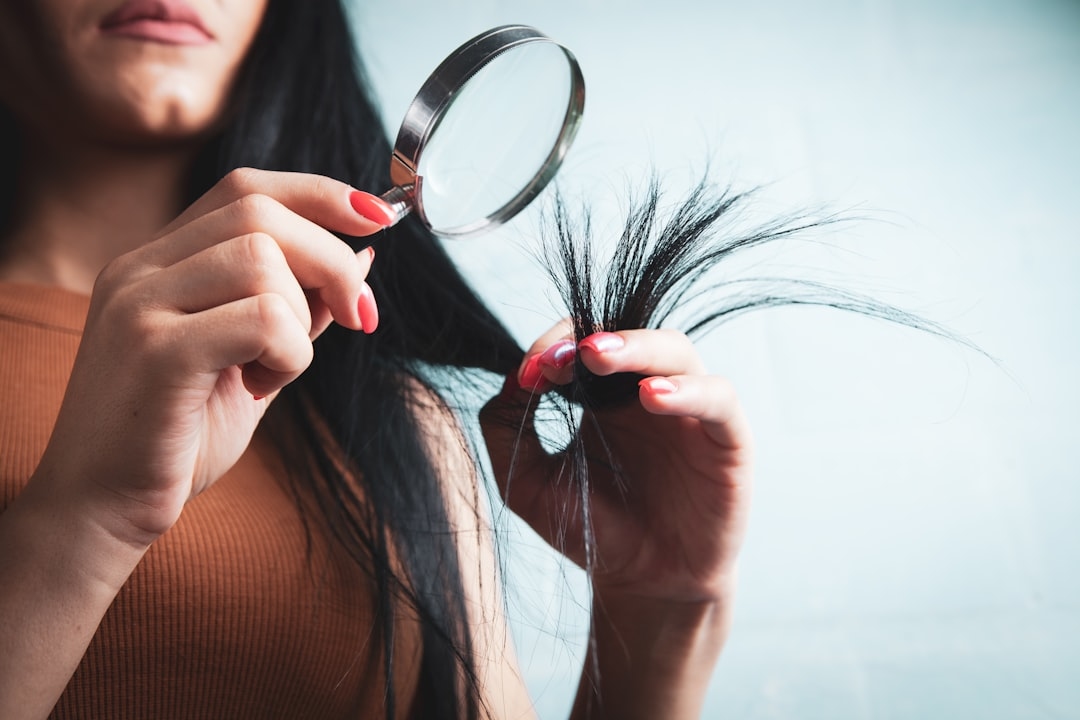
Does sleeping in a hair mask damage your hair, or is it the ultimate shortcut to radiant locks? This question has puzzled millions of people scrolling beauty forums at midnight, desperately searching for solutions to dull, damaged, or frizzy hair.
Quick Answer
Yes, most hair masks can be left on overnight, but it depends on the product type and your hair condition. Intensive moisturising masks work brilliantly when left for extended periods, whilst protein-based treatments should be limited to 8–12 hours. Always check the product label first.
Why Hair Masks Matter: A Quick Background
Hair masks represent a concentrated delivery system for nourishment. Unlike regular conditioners, which coat the surface, quality masks penetrate deeper into the hair shaft, filling gaps caused by heat styling, chemical treatments, and environmental stress. The active ingredients—whether oils, proteins, or plant extracts—work more effectively when given time to absorb and bond with damaged areas.
Your hair doesn’t regenerate like skin does. Once the cuticle is compromised, the damage is permanent. This means prevention and intensive conditioning matter significantly. In 2026, the UK hair care market has exploded with options, ranging from affordable high street brands at £3–£8 to luxury salon-grade masks costing £25–£50 per application.
Can You Leave a Hair Mask on Overnight?
The straightforward answer is yes—but with important caveats. Most modern hair masks are formulated to be safe for extended wear, including overnight application. The chemistry changed considerably over the past five years. Earlier formulations relied on heavy silicones that built up after prolonged contact; contemporary masks use lighter conditioning agents and natural oils that continue working as long as they remain in contact with the hair.
However, not all masks are created equal. The type of mask you’re using determines whether an overnight treatment will enhance or compromise your results.
Moisturising Masks: Your Best Overnight Choice
Hydrating and moisturising masks are specifically engineered for extended wear. These typically contain glycerin, plant-derived humectants, and emollient oils. Leaving them on overnight allows the ingredients to penetrate fully and restore moisture balance throughout the hair shaft. A study from the International Journal of Cosmetic Science (2025) found that overnight application of glycerin-based masks improved hair hydration by 34% compared to standard 15-minute applications.
Brands like Olaplex (£32–£44), Kerastase (£18–£28), and Aussie (£3–£6) all produce masks explicitly safe for 8+ hours of contact. If your hair feels dry, brittle, or prone to frizz, overnight moisturising masks are your solution.
Protein-Based Masks: Time Limits Apply
Protein treatments work differently. They rebuild structural integrity by filling gaps in damaged cuticles, but prolonged exposure can over-saturate the hair, causing brittleness and breakage. These masks should not exceed 8–12 hours of continuous application. Applying them overnight two or three times weekly is acceptable, but every night for a week could lead to protein overload—a condition where hair becomes stiff, difficult to style, and prone to snapping.
Oil-Based and Coconut Masks: Extended Use Is Fine
Pure oil masks—including coconut, argan, and jojoba formulations—are among the safest options for overnight use. These products have been used for centuries across South Asian, Middle Eastern, and African hair care traditions. They cannot “overprocess” the hair because oil doesn’t chemically bond; it simply coats and protects. Leaving coconut oil on for 12 hours straight poses no risk, though you’ll want to use a shower cap to protect your pillow.
Regional Differences in Overnight Hair Care
Hair care practices vary significantly across the UK and beyond. In the South—London, the Southeast, and the Midlands—overnight masks are increasingly normalised as part of weekly self-care routines, with many people dedicating Friday or Saturday nights to intensive treatments. The Northeast and Scotland, where colder, drier climates prevail, show higher adoption rates for overnight masks, as extended application helps combat environmental dryness.
On the West Coast of the UK, including Wales and the Southwest, the milder climate means less emphasis on overnight treatments overall, though those with colour-treated or heat-damaged hair still use them regularly. The climate and water hardness in different regions affect how quickly hair deteriorates, so your local conditions matter when deciding on treatment frequency.
Practical Tips for Successful Overnight Masks
Preparation and Application
- Apply to damp (not soaking wet) hair, focusing on mid-lengths and ends—not the scalp, unless you have very dry scalp skin
- Use more product than you think necessary; masks are most effective with generous application
- Comb through gently to distribute evenly and untangle knots
Protection During Sleep
- Wear a silk or satin bonnet or cap—cotton pillowcases absorb moisture and create friction, undoing the treatment’s benefits
- If you prefer not to wear a cap, use a silk pillowcase (£15–£40), which reduces friction and protects against moisture loss
- Alternatively, wrap hair loosely in a microfibre towel

Removal and Rinsing
- Rinse thoroughly with lukewarm water in the morning—cold water seals cuticles but can trap residue
- Use a gentle cleanser or diluted shampoo; heavy rinsing isn’t necessary if you’ve used a quality mask
- Follow with your regular conditioner to lock in moisture
Warning Signs: When to Avoid Overnight Application
Stop overnight mask use immediately if you experience scalp irritation, itching, or an unpleasant odour. These symptoms suggest either product sensitivity or microbial growth caused by prolonged dampness. Also avoid overnight masks if your hair is already showing signs of protein overload: stiffness, difficulty detangling, or excessive breakage.
If you have a sensitive or inflamed scalp, restrict masks to the lengths and ends, applying them at least 2 cm away from the roots. Some scalps react poorly to ingredients like tea tree oil or certain botanical extracts, especially when left in contact for extended periods.
How Often Should You Do Overnight Masks?
For most people, once weekly is ideal. Those with severely damaged, colour-treated, or chemically processed hair can increase to twice weekly without risk. Using masks more than three times weekly, however, can lead to buildup and diminishing returns on the benefits. Your hair will signal when it’s had enough: once it feels soft and manageable, reduce frequency slightly.
Frequently Asked Questions
Can I leave a hair mask on for 24 hours?
No. Even the gentlest masks should not stay on longer than 12–16 hours. Extended moisture exposure weakens the hair shaft and can cause swelling and protein leaching. Overnight (8–12 hours) is the practical limit for regular use.
Will an overnight hair mask damage my hair?
Quality masks designed for extended use will not damage healthy hair. However, overusing protein-based masks or leaving incompatible products on for too long can cause brittleness, breakage, or buildup. Always check the product instructions.
What’s the best budget hair mask for overnight use?
Aussie 3 Minute Miracle (£3–£5), John Frieda Sheer Blonde Moisturising Mask (£4–£6), and Superdrug B. Protect Intensive Moisture Mask (£2–£4) are all effective overnight options that won’t break the bank. These work surprisingly well for occasional deep conditioning.
Should I apply overnight mask to wet or dry hair?
Damp hair is ideal. Soaking wet hair dilutes the active ingredients, reducing effectiveness. Completely dry hair won’t absorb the mask evenly. After shampooing, squeeze out excess water and apply whilst hair is still slightly moist.
How do I know if my hair needs an overnight mask?
Look for dryness, frizz, breakage, or dullness. If your hair feels rough, tangles easily, or lacks shine after blow-drying, it’s signalling for intensive moisture. Start with one overnight treatment and assess how your hair responds over the following week.
Moving Forward: Building Your Hair Care Routine
Overnight hair masks are a practical, evidence-backed tool for anyone dealing with dryness, damage, or dullness. The key is matching the mask type to your hair’s actual needs—moisturising for dry hair, protein for compromised lengths, oil for frizz and protection. Apply once weekly as part of a consistent routine, protect your hair during sleep with a silk cap or pillowcase, and rinse thoroughly in the morning. Most importantly, listen to your hair. When it feels soft and healthy, you’ll know the treatment is working.