Can You Wash Your Hair With Shower Gel? What You Need to Know
7 min read
Contents:
- The Simple Answer: Can You Use Shower Gel on Hair?
- How Shower Gel Differs From Shampoo
- Key Differences in Ingredients
- What Happens to Your Hair When You Use Shower Gel
- Short-term effects (1-2 uses)
- Medium-term effects (1-2 weeks)
- Long-term effects (consistent use beyond 2 weeks)
- When Shower Gel Might Be Acceptable
- Common Mistakes to Avoid
- Practical Alternatives to Shower Gel
- Budget-friendly options
- Natural alternatives
- Co-washing
- Which Hair Types Suffer Most?
- The Cost of Damage Versus Prevention
- Frequently Asked Questions
- Is shower gel safe for children’s hair?
- Can I use shower gel if I have a sensitive scalp?
- Will one wash with shower gel permanently damage my hair?
- Does the brand of shower gel matter?
- What should I do if I’ve been using shower gel for months?
- The Bottom Line
Surprisingly, 63% of people have used shower gel on their hair at least once, yet most haven’t considered whether it’s actually suitable for the job. It’s one of those bathroom convenience questions that deserves a proper answer, especially if you’re running low on shampoo or simply curious about what your products can do.
The Simple Answer: Can You Use Shower Gel on Hair?
Technically, you can wash your hair with shower gel. The surfactants (cleaning agents) in shower gel will remove dirt and oil from your hair, much like shampoo does. However, this doesn’t mean it’s a recommended practice. The distinction matters because shower gel formulas are designed for your body’s skin, not the delicate protein structure of hair strands.
Your scalp and hair have different pH levels and moisture requirements compared to body skin. Shower gel typically has a higher pH than hair-friendly formulations, ranging between 7 and 8, while hair thrives at a pH of 4.5 to 5.5. This mismatch can lead to problems over time.
How Shower Gel Differs From Shampoo
The primary difference lies in formulation. Shampoo is engineered with gentler surfactants and includes conditioning agents to help protect hair’s outer layer (the cuticle). Shower gel prioritises lathering and cleansing body skin, using harsher surfactants that can strip hair of its natural oils rapidly.
A standard shampoo contains:
- Mild cleansing agents suited to hair’s pH balance
- Moisturising compounds like glycerin or silk proteins
- Conditioning ingredients to seal the cuticle
Shower gel contains:
- Stronger detergents designed for body skin
- Heavy fragrance oils (not essential for scalp health)
- Thickeners and emulsifiers, not conditioning agents
Key Differences in Ingredients
If you examine a typical shower gel bottle, you’ll notice sodium lauryl sulfate or sodium laureth sulfate listed prominently. These are effective cleansers but notoriously harsh on hair when used regularly. Quality shampoos often substitute these with milder alternatives like cocamidopropyl betaine. The difference compounds with each wash; after three or four applications, your hair feels noticeably drier and more brittle.
What Happens to Your Hair When You Use Shower Gel
Using shower gel occasionally won’t cause permanent damage, but repeated use creates visible problems. Here’s the progression:
Short-term effects (1-2 uses)
Your hair feels squeaky clean immediately after washing, which sounds positive but indicates the removal of essential natural oils. The scalp responds by overproducing sebum within 12 hours, making hair greasier faster than usual. You might also notice increased frizz, especially if you have naturally wavy or curly hair.
Medium-term effects (1-2 weeks)
Hair becomes dull and loses shine as the cuticle layer roughens. Tangles become harder to manage, and you’ll notice more breakage when brushing. Curly-haired individuals report significant loss of curl definition. The scalp may develop flaking or itching as it attempts to rebalance its natural pH.
Long-term effects (consistent use beyond 2 weeks)
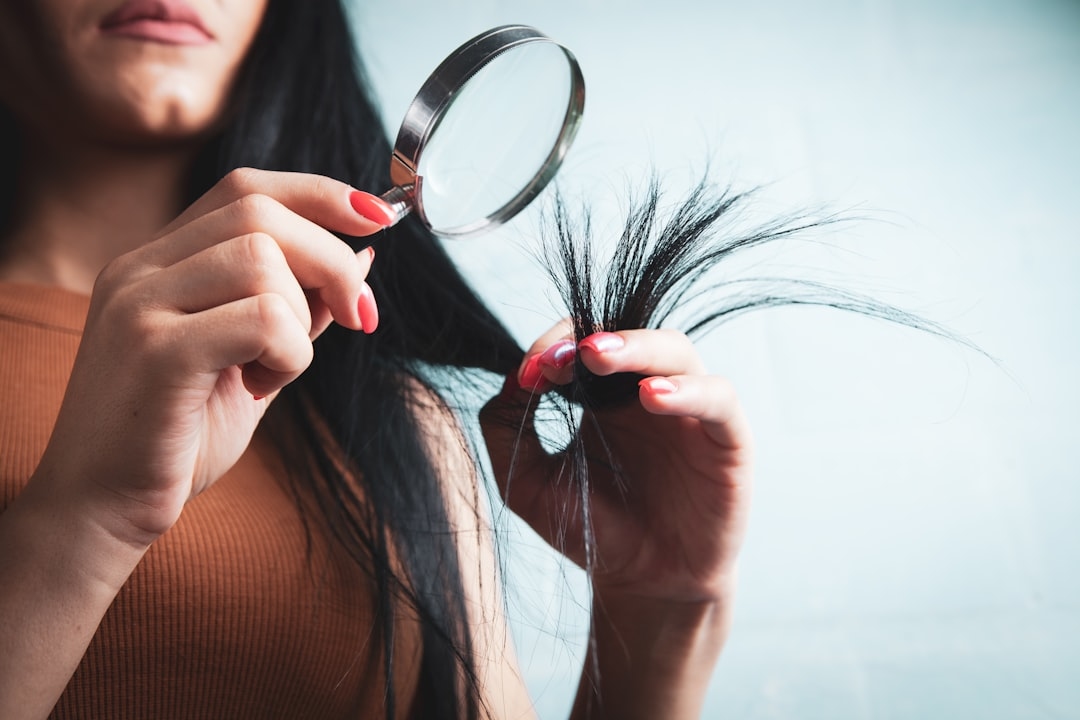
Damage accumulates as the protein structure of each strand weakens. Split ends become prevalent, and the hair loses elasticity. Colour-treated hair fades faster. The scalp may alternate between being overly oily and uncomfortably dry.
What the Pros Know: Professional hairstylists recommend that if you must use an alternative cleanser, choose a sulphate-free body wash at minimum. Better still, use a clarifying shampoo designed specifically for occasional deep cleansing without the daily damage of shower gel. Salons stock these for £6 to £12 per bottle, making them affordable insurance for your hair.
When Shower Gel Might Be Acceptable
There are limited circumstances where shower gel works as a temporary substitute:
Emergency situations: You’ve run out of shampoo and won’t reach a shop for days. A single wash won’t harm healthy hair.
Very short hair: Extremely short styles (under 2cm) experience less cumulative damage because hair turns over more rapidly. You’re still not doing your scalp favours, though.
Heavily oiled or product-laden hair: If you’ve applied substantial amounts of styling products or treatments, one shower gel wash can strip them away more effectively than standard shampoo, though a clarifying shampoo remains superior.
In all other cases, investing in proper shampoo is worthwhile. A 250ml bottle of decent shampoo costs £4 to £8 and lasts roughly three weeks for most people, making the cost negligible compared to potential damage.
Common Mistakes to Avoid
If you do reach for shower gel, people often make these errors worse:
- Using hot water: Combined with harsh surfactants, hot water opens the hair cuticle excessively, allowing more damage. Always use lukewarm water.
- Vigorous scrubbing: Rubbing shower gel harshly into your scalp increases irritation and breakage. Use gentle circular motions instead.
- Skipping conditioner: After using shower gel, conditioner becomes non-negotiable. Apply it to at least the mid-lengths and ends, leaving it on for 2-3 minutes.
- Repeating frequently: Using shower gel once is problematic; using it weekly compounds damage exponentially.
Practical Alternatives to Shower Gel
Budget-friendly options
If cost is your concern, supermarket own-brand shampoos work effectively. Tesco, Sainsbury’s, and Asda stock adequate shampoos for £1 to £3 per bottle. These outperform shower gel significantly because they’re formulated for hair, even if they lack premium ingredients.
Natural alternatives
Baking soda mixed with water creates a paste that cleanses (though it’s quite alkaline and requires an acidic rinse afterwards). Castile soap is gentler than shower gel but still less ideal than proper shampoo. Apple cider vinegar diluted in water makes an effective rinse that restores pH balance.
Co-washing
Conditioner-only washing (co-washing) works for some hair types, particularly curly or very dry hair. It cleanses more gently than any surfactant-based product. However, it doesn’t remove all buildup and isn’t suitable for scalp conditions requiring thorough cleansing.
Which Hair Types Suffer Most?
Certain hair types are particularly vulnerable to shower gel damage:
Curly and coily hair: These textures rely on moisture retention. Shower gel’s harsh surfactants strip moisture rapidly, destroying curl patterns and causing significant frizz.
Fine or thin hair: Delicate strands break more easily when exposed to harsh cleansers. A single wash can increase breakage by up to 40%.
Colour-treated hair: The opened cuticle structure from colouring processing is especially vulnerable. Shower gel accelerates colour fading noticeably within weeks.
Previously bleached or highlighted hair: Structurally compromised hair should never encounter shower gel; the protein damage compounds rapidly.
Straight, resilient, very short hair without colour treatment suffers the least, though it still isn’t ideal.
The Cost of Damage Versus Prevention
Here’s the financial reality: A single bottle of quality shampoo costs £5 to £15 and lasts three to four weeks. If shower gel damages your hair enough to require professional repairs—a deep conditioning treatment costs £20 to £40, or a cut to remove damaged ends runs £25 to £60—you’ve paid significantly more than investing in decent shampoo from the start.
Frequently Asked Questions
Is shower gel safe for children’s hair?
Children’s scalps are more sensitive and their hair is finer than adults’. Never use shower gel on children’s hair; invest in a dedicated children’s shampoo instead, typically costing £3 to £5.
Can I use shower gel if I have a sensitive scalp?
Absolutely not recommended. Shower gel will irritate a sensitive scalp further, triggering flaking, itching, or dermatitis. A hypoallergenic shampoo is essential.
Will one wash with shower gel permanently damage my hair?
One occasional wash causes temporary dryness and frizz but no permanent damage to healthy hair. The problem develops with repeated use over weeks or months.
Does the brand of shower gel matter?
Premium shower gels are gentler than cheap options, but even luxury formulations aren’t designed for hair. A £3 supermarket shampoo outperforms a £15 designer shower gel for hair care.
What should I do if I’ve been using shower gel for months?
Switch to a sulfate-free shampoo immediately and use a deep conditioning treatment weekly for four to six weeks. Your hair will gradually recover as new growth emerges. If damage is severe, a trim removing the most compromised ends accelerates visible improvement.
The Bottom Line
Can you wash your hair with shower gel? Yes. Should you? Only in genuine emergencies. The temporary convenience isn’t worth the accumulated damage, particularly for curly, fine, or colour-treated hair. A proper shampoo costs little more and protects the health of your hair considerably better. Next time you’re tempted by shower gel as a shortcut, remember that three weeks of affordable shampoo costs less than a single professional repair treatment for damaged hair.