How to Get Wax Out of Hair
8 min read
Contents:
- Quick Answer Box
- Understanding Why Wax Gets Stuck in Hair
- Method 1: The Cold/Freezing Method (Best for Hard Waxes)
- Steps
- Method 2: The Heat Method (Best for Soft Waxes)
- Using Warm Oil
- Using a Warm Compress
- Method 3: Alcohol or Acetone (For Stubborn Buildup)
- Using Rubbing Alcohol
- Using Acetone (Nail Polish Remover)
- Method 4: Peanut Butter or Other Oil-Based Products
- Method 5: Professional Salon Treatment
- Cost Breakdown: Wax Removal Solutions
- Preventing Wax Buildup in Hair
- Apply Wax Correctly
- Remove Wax Before Sleeping
- Use Water-Soluble Products
- Regular Clarifying Treatments
- Region-Specific Wax Removal Considerations
- Common Mistakes That Make Wax Removal Harder
- Pulling or Jerking
- Applying Too Much Heat
- Over-Using Alcohol or Acetone
- Not Following Up with Conditioning
- FAQ Section
- Can I cut out wax if other methods don’t work?
- How long does it take to remove wax from hair?
- Will removed wax come back in my hair after washing?
- Can wax damage my hair permanently?
- Is wax actually “stuck” or is it just coated on?
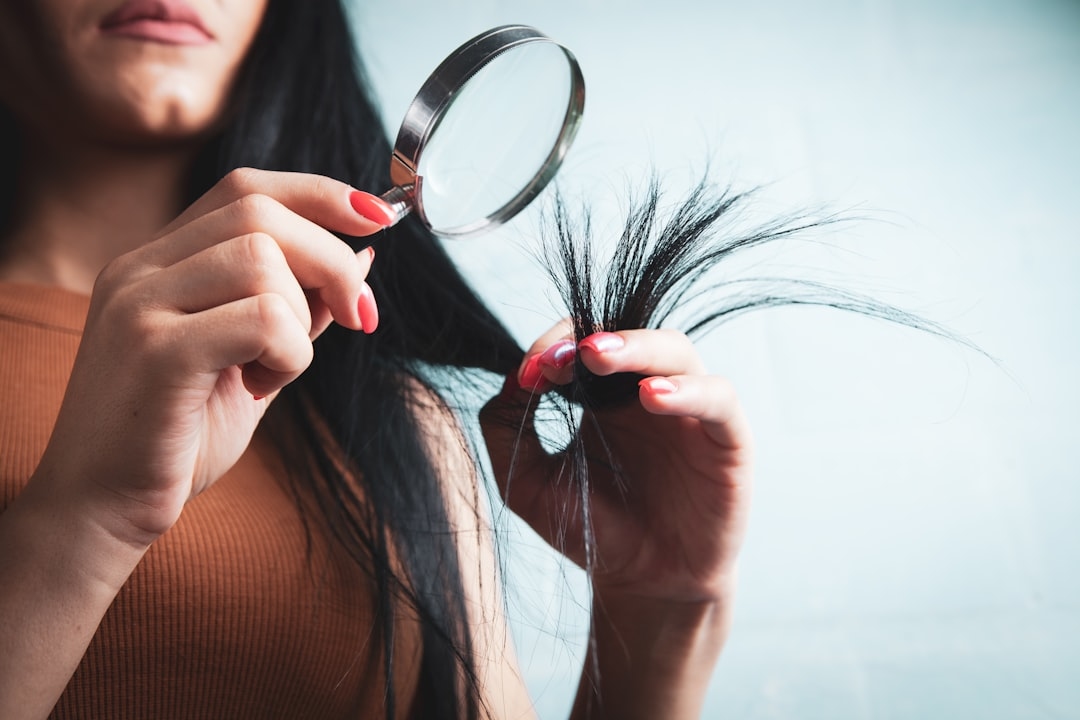
Your friend convinced you to try hair waxing for styling, or you accidentally got candle wax tangled in your hair. Now you’re facing sticky strands that won’t budge with normal washing. Wax trapped in hair is genuinely frustrating, but it’s entirely fixable. Multiple safe methods exist for removing it, from simple household solutions to professional treatments, depending on the severity of your situation.
Quick Answer Box
How do I remove wax from my hair quickly? Use ice or the freezer to harden wax, making it brittle and removable by hand or comb. For stubborn wax, apply heat (warm oil or a warm compress) to soften it, then brush it out. For extensive wax buildup, professional salon treatments or acetone-based solutions work most effectively.
Understanding Why Wax Gets Stuck in Hair
Hair wax is designed to grip and hold hair firmly—that’s literally its job. The adhesive molecules in wax bond to the proteins in your hair cortex, creating the hold you want for styling. When wax gets stuck beyond styling (tangled through multiple hair strands or dried in clumps), removing it requires breaking these bonds and creating separation between wax and hair.
Different wax types behave differently. Styling waxes (pomades, clay, paste) melt relatively easily with heat. Hard waxes used for hair removal are engineered to grip intensely and require more aggressive removal. Candle wax is brittle and responds well to freezing. Understanding your specific wax type helps you choose the most effective removal method.
Method 1: The Cold/Freezing Method (Best for Hard Waxes)
This is the safest, most hair-friendly approach for most situations. Hard waxes—the type used for hair removal or some styling products—become brittle when cold.
Steps
- Place the wax-tangled section in your freezer for 10-15 minutes (or use an ice pack wrapped in cloth for 5-10 minutes if your freezer doesn’t accommodate hair)
- Remove from cold and immediately work quickly whilst the wax is still hard
- Gently pick at the wax with your fingertips or a fine-toothed comb, breaking it into pieces
- Pull away wax pieces carefully—don’t jerk, which risks breaking hair
- Repeat the freezing process as needed for stubborn patches
- Once most wax is removed, wash with warm water and regular shampoo to remove residue
This method works beautifully for candle wax, hard styling waxes, and wax-based hair removal products. It’s gentle and requires no chemicals. The downside: it’s time-consuming for large areas.
Method 2: The Heat Method (Best for Soft Waxes)
Heat softens wax, making it easier to separate from hair. This method is ideal for styling waxes, pomades, and soft formulations.
Using Warm Oil
- Warm coconut oil, olive oil, or jojoba oil until it’s warm to touch but not hot (roughly 40°C—test on your wrist first)
- Apply generously to wax-tangled sections
- Let oil sit for 2-3 minutes, allowing it to penetrate and soften the wax
- Gently massage the area, encouraging the wax to break apart
- Use a wide-toothed comb or your fingers to separate wax from hair strands
- Repeat applications as needed
- Wash thoroughly with shampoo and warm water to remove oil residue
One reader shares: “I got sticky styling wax tangled in my long hair during a night out. I was panicking, thinking I’d need to cut it out. Warm coconut oil broke it down within 15 minutes of gentle massage. I used extra shampoo to remove the oily residue afterwards, and my hair looked normal again.”
Using a Warm Compress
- Soak a cloth in warm water (not boiling—just comfortably warm)
- Wrap around the wax-tangled section for 3-5 minutes
- Remove cloth and immediately work with the softened wax
- Repeat warming as needed
Method 3: Alcohol or Acetone (For Stubborn Buildup)
This method is stronger but requires caution. It works when heat and cold fail but should be your plan B, not plan A, due to potential hair damage.
Using Rubbing Alcohol
- Dampen a cloth with isopropyl alcohol (the 70% strength sold in UK chemists, roughly £2-3 per bottle)
- Dab affected areas repeatedly—don’t saturate your scalp
- Alcohol dissolves wax quickly
- Use a comb to gently brush through loosened wax
- Shampoo thoroughly afterwards—alcohol is drying
Using Acetone (Nail Polish Remover)
- Use only 100% acetone (pure acetone), not “acetone-free” removers
- Apply sparingly to wax strands only—acetone can damage hair if over-applied
- Work quickly; acetone evaporates rapidly
- Gently comb through to separate wax
- Rinse with warm water and shampoo immediately
Caution: Both alcohol and acetone are drying and can damage hair if used excessively. They’re tools of last resort when gentler methods fail. Never use these if you have sensitive scalp or scalp conditions.
Method 4: Peanut Butter or Other Oil-Based Products
Unconventional but effective: peanut butter contains oils that dissolve wax.
- Apply natural, full-fat peanut butter generously to wax-tangled hair
- Let sit for 5-10 minutes
- Massage gently to encourage wax breakdown
- Comb through to separate wax from hair
- Shampoo thoroughly—this requires several washes to remove all peanut butter
This method is surprisingly effective and uses a harmless household product. The downside: peanut butter residue is difficult to fully remove, requiring multiple shampoos.
Method 5: Professional Salon Treatment
If home methods fail after reasonable attempts, consult a salon. Most UK salons (cost £20-50 depending on severity) can remove stubborn wax using professional-strength products and techniques you can’t replicate at home.
Salons often use:
- Professional-grade solvents specifically designed for wax removal
- Clarifying treatments that strip wax buildup
- Deep conditioning to restore hair health afterwards
If the wax is extensive, intertwined throughout multiple sections, or you’ve already attempted home removal without success, professional treatment is worth the cost. It’s cheaper than the alternative—cutting your hair short to remove wax.
Cost Breakdown: Wax Removal Solutions
- Ice/freezing method: Free (uses your freezer)
- Coconut oil method: £3-6 (cost of oil if you don’t have it)
- Rubbing alcohol: £2-3 (chemist purchase)
- Acetone: £2-4 (chemist purchase)
- Professional salon removal: £20-50
Most people successfully remove wax with free or low-cost household methods. Professional help is rarely necessary unless wax removal is extensive or attempted methods fail.
Preventing Wax Buildup in Hair
Apply Wax Correctly
Use small amounts of wax—roughly pea-sized for short hair, walnut-sized for medium to long hair. Work it through your hands first, then distribute evenly to hair tips and mid-lengths. Avoid applying wax directly to roots or scalp.
Remove Wax Before Sleeping
Sleeping with product-laden hair causes wax to become deeply embedded. A quick shampoo before bed prevents this. Or use a dry shampoo spray designed for removal (these are different from dry shampoos for volume, specifically formulated to break down product).
Use Water-Soluble Products
If wax regularly gets tangled, consider switching to water-soluble styling products like gels or mousses. These wash out easily and don’t get stubbornly stuck.
Regular Clarifying Treatments
If you style with wax regularly, use a clarifying shampoo weekly. This removes product buildup before it accumulates to problematic levels. UK drugstores sell clarifying shampoos for £5-10.
Region-Specific Wax Removal Considerations
In hard water regions (Southeast England, Scotland), mineral content can interact with wax residue, creating additional stubborn buildup. In these areas, use the warm oil method followed by two clarifying shampoos. Hard water makes complete product removal slightly more challenging, requiring extra care.
Common Mistakes That Make Wax Removal Harder
Pulling or Jerking
Aggressive removal breaks hair rather than separating wax from it. Always work gently, particularly when using combs. Patience here prevents damage worse than the wax itself.
Applying Too Much Heat
Excessive heat can damage hair proteins. Warm oil or a warm compress is fine; boiling water is not. Respect your hair’s integrity.
Over-Using Alcohol or Acetone
Multiple applications of these drying agents create brittleness and breakage. Use sparingly and only when gentler methods fail.
Not Following Up with Conditioning
Whatever removal method you use, follow with deep conditioning. Oil-based removals leave residue; chemical removals are drying. Condition to restore hair health.
FAQ Section
Can I cut out wax if other methods don’t work?
Absolutely, if the wax is localised to a small section. However, professional removal should be attempted first. A salon can often remove wax without requiring hair cutting. Only consider cutting if wax affects a very small amount of hair and removal has genuinely failed.
How long does it take to remove wax from hair?
Depends on method and wax severity. Cold/freezing method: 30-60 minutes. Heat method: 15-30 minutes. Chemical methods: 5-15 minutes. Professional salon: 30-60 minutes. Start with cold method (gentlest) and progress to faster methods only if needed.
Will removed wax come back in my hair after washing?
No. Once wax is physically separated from hair, it’s gone permanently. Thorough shampooing removes any residual oils left behind. You don’t need to worry about wax re-forming or returning.
Can wax damage my hair permanently?
Wax itself doesn’t damage hair. Aggressive removal attempts (jerking, excessive heat, overuse of chemicals) can damage it. Use gentle techniques and follow up with conditioning, and your hair recovers completely.
Is wax actually “stuck” or is it just coated on?
Both. Wax coats the surface and also penetrates the outer cuticle layers, making it genuinely trapped rather than just surficial. This is why simple shampooing doesn’t remove it, and why physical or solvent-based methods are necessary.
Wax in hair is frustrating but manageable. Start with the gentlest method—freezing or warm oil. Most wax comes out easily with one of these approaches. Only escalate to chemical methods if warmth and cold fail. Follow with conditioning to restore shine and smoothness. Within a day or two, you’ll forget the incident happened.