How to Darken Bleached Hair: Practical Toning and Dyeing Methods
7 min read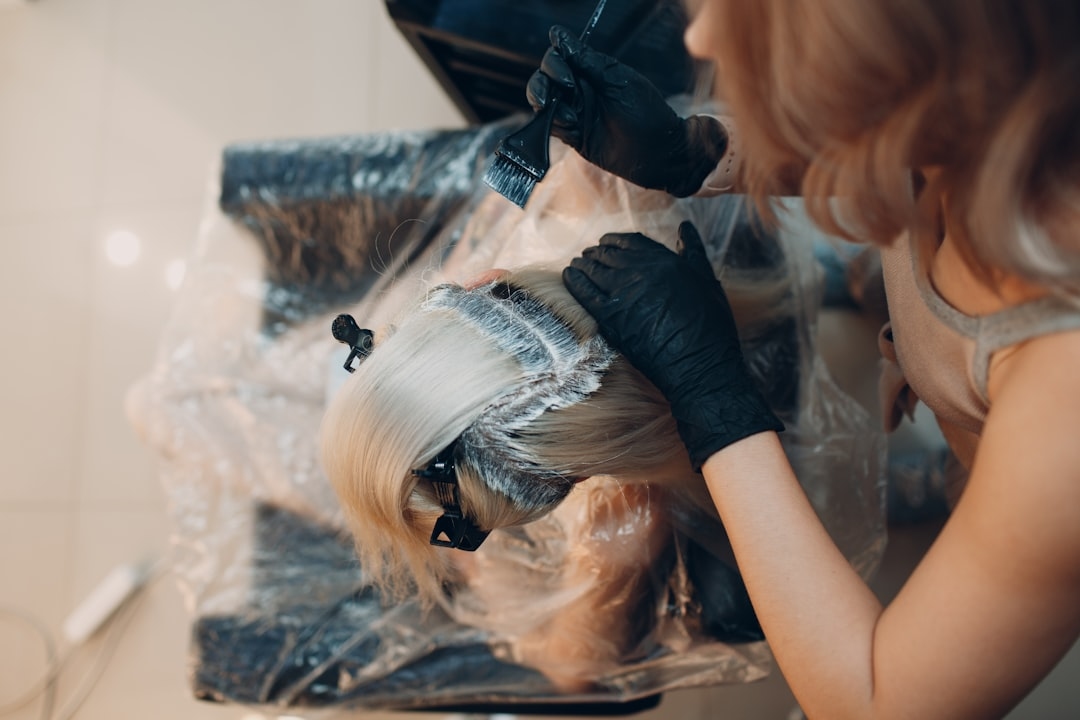
Contents:
- Why Darkening Bleached Hair Is Different From Standard Colouring
- Common Misconceptions About Darkening Bleached Hair
- Method One: Toning with Semi-Permanent Colour
- Method Two: Permanent Colour for Lasting Results
- Regional Differences in Darkening Results
- Expert Tip: Strand Testing Is Non-Negotiable
- Cost Breakdown for Darkening Bleached Hair
- Common Mistakes to Avoid
- FAQ Section
- How dark can you go when darkening bleached hair?
- Does darkening bleached hair damage it?
- Can you lighten dark dyed hair back to blonde?
- How often can you re-dye if you change your mind?
- What’s the best shade for first-time darkening?
- Your Dark Hair Transformation Awaits
You’ve spent months achieving the perfect blonde, but now you’re ready for a change. The challenge: bleached hair is porous and unpredictable when darkened. Standard dyes behave differently on bleached hair than on virgin hair. The process requires understanding how porous, lightened hair accepts colour, which methods work best, and how to achieve even results without muddy or patchy tones. The good news: darkening bleached hair is entirely achievable at home or professionally, with dramatic results.
The myth many people believe: bleached hair can’t be darkened without going darker than desired. Actually, the opposite is true. Bleached hair’s porosity means it accepts colour eagerly. The real challenge is achieving exactly the shade you want without over-darkening. This guide addresses exactly that challenge.
Why Darkening Bleached Hair Is Different From Standard Colouring
Bleached hair has a fundamentally different structure than unbleached hair. Bleach strips away the hair’s outer protective layer and lifts all pigment out, leaving the hair shaft porous and absorbent. This porosity means colour molecules penetrate deeply and deposit more intensely than on virgin hair. A shade that would be “light brown” on virgin hair becomes “dark brown” on bleached hair because the colour absorbs more thoroughly.
Additionally, the regional differences in porosity matter. Hair closer to the scalp (roots) is typically less porous because it’s been exposed to heat, products, and sebum longer. Hair closer to ends is more porous from bleaching and environmental damage. This creates challenges in achieving even colour throughout, since the same dye deposits differently on roots versus ends.
The common myth that you must “go darker than your natural colour” when toning bleached hair is false. With proper technique and colour choice, you can achieve any shade from pale ash blonde to deep brunette. The key is understanding how your specific bleached hair will take colour.
Common Misconceptions About Darkening Bleached Hair
Misconception one: bleached hair rejects dark dye. False. It accepts dark dye eagerly—perhaps too eagerly. Misconception two: you must go to a professional for dark dyes. False, though professionals’ experience helps. Misconception three: going dark permanently ruins blonde. False. You can lighten dark dyed hair later if desired (though it’s more difficult than darkening blonde). Misconception four: all dark dyes look muddy on bleached hair. False. The right shade applied correctly yields rich, vibrant colour.
Method One: Toning with Semi-Permanent Colour
Semi-permanent dyes (also called toners) are gentler than permanent dyes and perfect for first attempts at darkening bleached hair. They contain no ammonia or developer, so they don’t open the cuticle aggressively. They deposit colour into the hair shaft without chemically altering it. Results last 4-8 weeks and fade gradually, allowing adjustment if the colour isn’t quite right.
Semi-permanent colours specifically formulated for toning bleached hair include brands like Wella T18 or Schwarzkopf’s Igora Vibrance. These are professional-grade but available online (£12-18). Apply to clean, damp hair, saturate completely, and process for 20-30 minutes. Results are noticeable immediately and become richer over the first 3-4 days as colour settles.
Semi-permanent works beautifully for anyone cautious about commitment. If you darken your blonde with semi-permanent and regret it, you’re back to blonde again within weeks. This method is ideal for “testing” darker shades before committing to permanent colour.
Method Two: Permanent Colour for Lasting Results
Permanent dyes use ammonia and developer to open the hair cuticle and deposit colour molecules into the cortex. On bleached hair, this creates rich, lasting colour that doesn’t fade significantly. Results last until your hair grows out (typically several months) or until you re-dye. Choose permanent colour if you’re ready for a real commitment to darker hair.
Selecting the right shade is crucial. Hair colour levels range from 1 (black) to 10 (lightest blonde). If your bleached hair is Level 9 (very pale blonde) and you want medium brown (Level 6), choose a Level 6 permanent colour. However, on bleached hair, this deposits darker than on virgin Level 6 hair would appear. Test on a hidden section first, or consult a professional for shade selection.
Application technique matters. Apply permanent colour to mid-lengths and ends first (where hair is most porous), leaving roots untouched for the last 10 minutes of processing. This prevents roots (less porous) from going darker than ends. Process for the time specified (usually 30-40 minutes), no longer. Over-processing doesn’t deepen colour more; it just damages hair.
Regional Differences in Darkening Results
Bleached hair lightens unevenly due to exposure to sun, heat, and product buildup. Your hair might be Level 9 at the roots but Level 8 or even Level 7 lower down. This variation means colour deposits unevenly. Darker areas (lower porosity) take colour less intensely. Lighter areas (higher porosity) take colour more intensely. This creates subtle dimension, which is actually beautiful—natural-looking depth rather than flat, artificial colour.
In the UK, variation is common because of regional humidity and sun exposure differences. Northern regions with less consistent sunlight typically have more even blonde, whereas Southern England with more sun exposure shows more variation. When darkening, embrace this variation—it creates more natural results than perfect uniformity.
Expert Tip: Strand Testing Is Non-Negotiable
Before applying colour to your entire head, always do a strand test. Section off a small, hidden section (under your hair at the nape of your neck), apply your chosen colour, and process for the full time. Examine the result carefully. Does the shade match what you want? Is the darkness appropriate? Will you be happy with this colour all over your head?
This simple test prevents the heartbreak of darkening your entire head only to discover the colour is too dark or the wrong tone. It takes 45 minutes but saves you from potential regret and expensive corrective treatments.
Cost Breakdown for Darkening Bleached Hair
Professional darkening: £60-150 depending on your location and hair length. Home semi-permanent toning: £12-18 per application, lasts 4-8 weeks. Home permanent colour: £8-15 per application, lasts 2-3 months before roots show. Factor in root touch-ups every 6-8 weeks if you’re maintaining dark colour (£8-15 each time).
Professional is expensive upfront but often better for first-time darkening since professionals assess your specific hair and choose appropriate shades. Home options are cheaper and good for maintenance or testing shades before committing professionally.
Common Mistakes to Avoid
Mistake one: choosing permanent colour too dark. Go one shade lighter than you think you want—bleached hair’s porosity makes colour appear darker than you expect. Mistake two: applying colour to roots first. Always apply to mid-lengths and ends first; roots take colour more intensely and go darker fastest.
Mistake three: over-processing. Don’t leave colour on longer than recommended thinking it will deepen more. It won’t; it’ll just damage your hair. Mistake four: skipping strand tests. This causes regrettable mistakes. Mistake five: expecting even colour throughout. Bleached hair’s varying porosity creates subtle variation—embrace it as natural-looking dimension rather than fighting it.
Mistake six: assuming all permanent colours work the same on bleached hair. They don’t. Semi-permanent deposits differently than permanent, and different brands have different pigment concentrations. Research which colours work well specifically on bleached hair before purchasing.
FAQ Section
How dark can you go when darkening bleached hair?
You can go as dark as you want—from light brown to black. The deeper the colour, the harder it will be to lighten later if you change your mind. If you think you might want to return to blonde eventually, stick to medium to light brown (Levels 5-7) rather than very dark browns or blacks.
Does darkening bleached hair damage it?
Semi-permanent colour causes minimal damage. Permanent colour causes more, but less than additional bleaching would. If your bleached hair is already compromised from bleaching, permanent colour does add stress. If your bleached hair is in good condition, permanent colour doesn’t cause noticeable additional damage.
Can you lighten dark dyed hair back to blonde?
Yes, but it’s more difficult than darkening. You’d need to bleach again, which removes the dark dye but causes more damage. Most people find the dark colour permanent for practical purposes. If you think you’ll want to return to blonde, use semi-permanent toning instead of permanent colour.
How often can you re-dye if you change your mind?
If you use permanent colour and want to go lighter, you need at least 2-3 weeks before re-bleaching to allow hair recovery. If you want to go darker again, you can re-dye immediately. Frequent re-dyeing (more often than every 4-6 weeks) causes cumulative damage.
What’s the best shade for first-time darkening?
Light to medium brown (Levels 6-7) works beautifully on most bleached hair and suits most skin tones. This shade creates dimension, flatters most complexions, and isn’t so dark that you’ll regret it if you want lighter hair later. Avoid black for first attempts—it’s dramatic and hard to reverse.
Your Dark Hair Transformation Awaits
Darkening bleached hair transforms your look from edgy blonde to sophisticated brunette. The process is straightforward, costs little, and delivers immediate results. Start with semi-permanent toning if you’re cautious, or go straight to permanent colour if you’re confident in your shade choice. Either way, your bleached hair’s porosity works in your favour—colour deposits eagerly, creating rich, vibrant results. Embrace the change.