Why Does Hair Look Thin When Greasy? A Complete Guide
7 min read
Contents:
- The Science Behind Greasy Hair Looking Thinner
- How Greasy Hair Affects Hair’s Appearance
- The Role of Hair Density vs. Appearance
- Common Mistakes to Avoid
- Practical Solutions for Thin-Looking Greasy Hair
- Adjust Your Wash Schedule
- Choose the Right Shampoo and Conditioner
- Root-Lifting Techniques and Styling
- Dietary and Lifestyle Factors
- Eco-Friendly and Sustainable Solutions
- When Greasy Hair Signals a Deeper Issue
- A Reader’s Story
- Moving Forward with Confidence
- FAQ
- Why does my hair look thinner when it’s greasy?
- How often should I wash greasy, thin-looking hair?
- Can certain products make thin-looking greasy hair worse?
- Is thin-looking greasy hair caused by something medical?
- What’s the most affordable way to manage thin-looking greasy hair?
The Science Behind Greasy Hair Looking Thinner
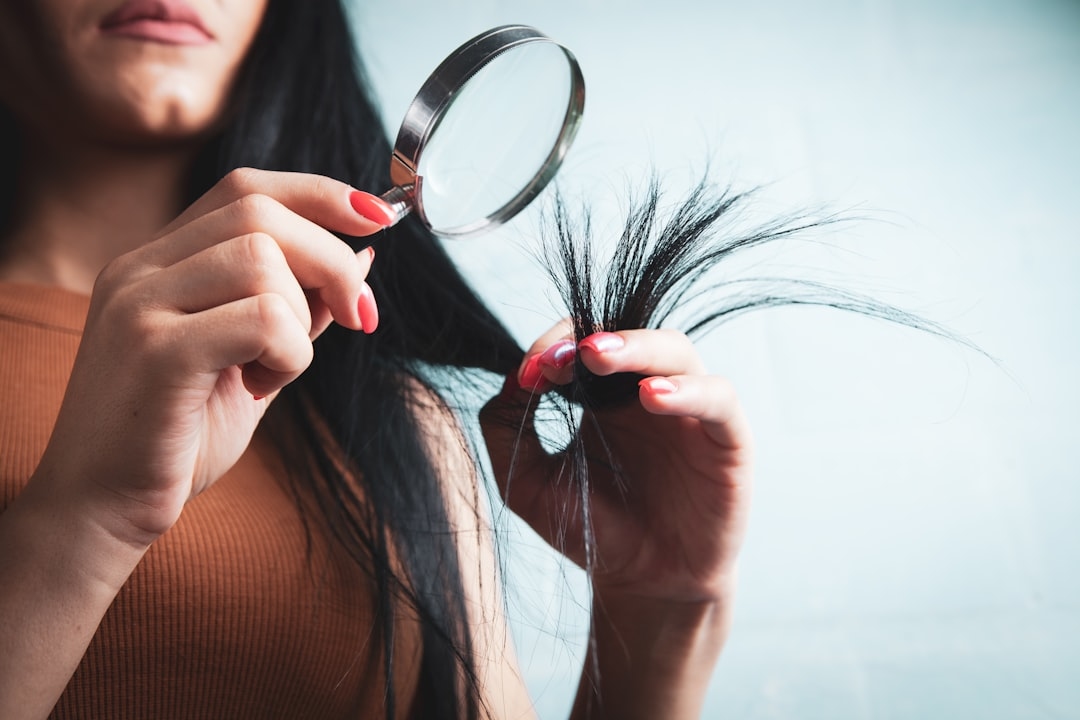
Ever looked in the mirror after a day or two without washing and felt like you’ve suddenly lost half your hair’s volume? You’re not alone. Hair looks thin when greasy because excess sebum (the natural oil your scalp produces) weighs down individual strands, causing them to clump together rather than stand independently. This clustering effect makes your hair appear flatter and less full than it actually is.
When your scalp produces too much oil—whether from genetics, hormonal changes, or environmental factors—that sebum coats each hair shaft from root to tip. Think of it like adding weight to thousands of individual threads; they can’t maintain their natural structure, so they collapse. Your hair hasn’t actually thinned; it’s just visually compressed. The average person produces between 0.5 to 2 grams of sebum daily, depending on hair type and scalp condition.
How Greasy Hair Affects Hair’s Appearance
The visual impact of greasy hair goes beyond simple flattening. When excess oil builds up, light reflects differently off the hair shaft. Rather than scattering light to create volume and dimension, oily hair absorbs more light, making it appear darker and denser in some spots while looking stringy and separate in others. This uneven texture actually exaggerates the thinning appearance.
Additionally, greasy hair tends to clump at the roots and mid-lengths. This concentration of oil in specific areas creates the illusion of sparse sections, particularly noticeable if you part your hair or style it away from your face. Some readers report that their hair looks significantly thinner just 24 hours after washing—a clear sign that excess sebum is the culprit rather than actual hair loss.
The Role of Hair Density vs. Appearance
It’s crucial to distinguish between actual hair density (how many hair follicles you have on your scalp) and how thick your hair appears. Greasy hair affects the latter dramatically without changing the former. Someone with naturally fine, thin hair might experience this effect even more noticeably because their individual strands are already delicate and easily weighed down by minimal oil accumulation.
Common Mistakes to Avoid
Many people struggling with greasy, thin-looking hair make inadvertent mistakes that worsen the problem:
- Washing too frequently: Over-washing strips your scalp of natural oils, triggering it to produce even more sebum to compensate. This creates a vicious cycle where your hair becomes greasier faster.
- Using heavy conditioners: Applying conditioner to your roots or scalp adds unnecessary weight. It belongs only on the mid-lengths and ends.
- Not rinsing thoroughly: Shampoo residue mimics the effects of grease, making hair appear dull and flat. Always use cool, clean water for a final rinse.
- Touching hair frequently: Running your fingers through your hair distributes natural oils from your scalp down the hair shaft, accelerating the greasy appearance.
- Using the wrong brush: Metal or boar-bristle brushes can damage hair and spread oils. A paddle brush or wide-tooth comb works better for oily hair.
Practical Solutions for Thin-Looking Greasy Hair
The good news is that several affordable, accessible solutions can restore your hair’s appearance within days:
Adjust Your Wash Schedule
Instead of daily washing, shift to every other day or twice weekly, depending on your scalp’s response. Your scalp will eventually regulate its oil production, typically within two to four weeks. During this adjustment period, dry shampoo (£3–£8 per can at most UK supermarkets) becomes your best friend. Products like Batiste or Tresemmé offer excellent volume without residue, and they’re budget-friendly.
When you do wash, use lukewarm or cool water rather than hot, as heat stimulates sebum production. A quick rinse in cool water at the end seals the hair cuticle and adds shine.
Choose the Right Shampoo and Conditioner
For greasy, thin-looking hair, opt for clarifying shampoos once weekly to remove buildup, then use lightweight, volumising shampoos on other wash days. Look for products containing salicylic acid or charcoal, which purify without heavy residue. Avoid silicones (dimethicone, cyclomethicone) in your products, as they accumulate and weigh hair down.
Use conditioner sparingly—only on the bottom third of your hair, never on the roots or scalp. Consider switching to a lightweight leave-in spray (£5–£12) instead of traditional conditioner if your hair is fine-textured.
Root-Lifting Techniques and Styling
Your styling method significantly impacts how thin greasy hair appears. Try these techniques:
- Blow-dry with your head upside down to create lift at the roots.
- Use a volumising mousse (£4–£9) applied to damp roots before styling.
- Tease hair gently at the crown to create texture and separation.
- Experiment with different parting directions; changing where you part can disguise flat, oily sections.
- Apply dry shampoo to the roots 10 minutes before styling for grip and texture.
Dietary and Lifestyle Factors
Hormonal fluctuations, stress, and diet influence sebum production. Ensure you’re consuming adequate omega-3 fatty acids (found in oily fish, flaxseeds, and walnuts), which support scalp health. Similarly, staying hydrated—aiming for 6–8 glasses of water daily—helps regulate sebum production paradoxically; dehydration can trigger increased oil output.
Stress management matters too. The NHS acknowledges that stress exacerbates sebum overproduction through cortisol release. Even 15 minutes of daily relaxation—whether meditation, walking, or gentle exercise—can help.
Eco-Friendly and Sustainable Solutions
If you’re budget-conscious and environmentally aware, consider these sustainable alternatives to conventional products:

Solid shampoo bars (£6–£12 per bar) last three times longer than liquid shampoo and eliminate plastic packaging. Brands like Friendly Soap produce UK-made, palm-oil-free options suitable for oily, thin-looking hair. A single bar equals roughly three standard bottles, offering genuine savings over time.
You can also make a simple dry shampoo at home using cornstarch and a few drops of your preferred essential oil—an incredibly economical solution costing pence per application. Mix in a glass jar, and a batch lasts months.
For a DIY clarifying rinse, combine equal parts white vinegar and water. Apple cider vinegar works too. This removes buildup without chemical residue and costs around 20p per use. Rinse thoroughly afterward to avoid vinegar odour.
When Greasy Hair Signals a Deeper Issue
Most cases of thin-looking greasy hair resolve through adjusted washing routines and product choices. However, persistent excessive oil production—especially if accompanied by scalp irritation, itching, or actual hair loss—may indicate underlying conditions like seborrheic dermatitis or hormonal imbalance.
If you notice continuous hair shedding (more than 50–100 hairs daily is normal; significantly more warrants investigation), scalp soreness, or flaking alongside greasy appearance, consult your GP or a trichologist. The NHS provides referrals to dermatology services, and private trichologists in the UK typically charge £75–£200 for an initial consultation.
A Reader’s Story
Sarah, a 34-year-old from Manchester with fine, naturally blonde hair, struggled with thin-looking greasy hair for years. She washed daily, used heavy conditioners, and felt self-conscious about the flat appearance. After switching to twice-weekly washing, eliminating conditioner from her scalp area, and using a volumising dry shampoo between washes, she noticed dramatic improvement within three weeks. “My hair genuinely looks like it has more volume now,” she reported. “I spent about £25 on new products, but I’m saving money because I’m not replacing them monthly anymore.” Her experience reflects what many discover: the problem wasn’t her hair itself, but how she was treating it.
Moving Forward with Confidence
Thin-looking greasy hair is frustratingly common but highly manageable. The key lies in understanding that sebum weight—not actual hair loss—creates the appearance of thinness. By adjusting your wash frequency, selecting lightweight products, refining your styling techniques, and considering your scalp’s health holistically, you can restore volume and confidence within weeks.
Start with one change this week: if you wash daily, shift to every other day. If you’re already doing that, try a clarifying shampoo to remove buildup. Small adjustments compound into noticeable results. Your hair’s natural texture and volume are waiting underneath that excess oil.
FAQ
Why does my hair look thinner when it’s greasy?
Greasy hair looks thinner because excess sebum weighs down individual strands, causing them to clump together and flatten rather than maintaining separate volume. This creates a visual compression effect without actual hair loss occurring.
How often should I wash greasy, thin-looking hair?
Wash twice weekly initially, or every other day if your scalp is extremely oily. Most people find that after 2–4 weeks of adjusted washing, their scalp regulates and they can extend the time between washes. Use dry shampoo between washes to refresh appearance.
Can certain products make thin-looking greasy hair worse?
Yes. Heavy conditioners, silicone-based products, and frequent use of heat styling without protection exacerbate the greasy appearance. Lightweight, clarifying products designed for oily hair work much better.
Is thin-looking greasy hair caused by something medical?
Usually no—it’s simply excess sebum. However, persistent excessive oil with scalp soreness, itching, or actual hair loss may indicate seborrheic dermatitis or hormonal imbalance. Consult your GP if you’re concerned.
What’s the most affordable way to manage thin-looking greasy hair?
Dry shampoo (£3–£8) and adjusting your wash schedule are the most cost-effective solutions. Combined, they typically cost less than £15 monthly while delivering noticeable results within days. Solid shampoo bars offer long-term savings if you prefer sustainable options.