How to Protect Hair from Chlorine: A Complete Swimmer’s Guide
10 min read
Contents:
- Understanding Chlorine Damage and Hair Chemistry
- Pre-Swim Protection: Your First Line of Defence
- Wet Your Hair with Fresh Water
- Apply a Protective Leave-In Conditioner
- Consider a Chlorine-Blocking Spray
- Wear a Protective Cap
- During Your Swim: Minimising Active Exposure
- Limit Submersion Time
- Keep Your Hair in a Bun or Braid
- Rinse Immediately After Swimming
- Post-Swim Hair Rescue: The Critical 24-Hour Window
- Clarify with a Chelating Shampoo (Weekly)
- Deep Condition Immediately
- Consider a Chlorine-Removal Treatment
- Seasonal Timelines and Regional Considerations
- Summer Peak Season (May–August in UK and Northeast)
- Year-Round Swimming (West Coast and Australia)
- Off-Season Recovery (September–April in UK and Northeast)
- Budget-Friendly Chlorine-Proof Hair Care Routine
- Weekly Swimming (2–3 times per week)
- Daily Training (5+ times per week)
- Addressing Specific Hair Challenges
- Green or Discoloured Hair
- Dry, Brittle Hair
- Scalp Irritation or Dryness
- Maintenance Beyond the Pool: Long-Term Hair Health
- Minimise Heat Styling
- Weekly Protein Treatments
- Regular Trims
- FAQ: Common Chlorine Hair Questions
- How quickly does chlorine damage hair?
- Is it better to wet hair before swimming or use a cap?
- Can you reverse green hair from chlorine?
- How often should I use chelating shampoo?
- Does chlorine damage only affect swimmers?
- What’s the difference between chlorine and salt water damage?
Back in the 1920s, when Olympic swimming became a global phenomenon, competitors discovered something uncomfortable: chlorine turned blonde hair green. Female swimmers took to wearing colourful bathing caps to shield their locks, making practical necessity into fashion statement. Today, whether you’re training for a triathlon or simply enjoying summer pool days, the challenge remains the same. Chlorine oxidises hair proteins, causing dryness, discolouration, and brittleness that can take months to repair.
The good news? Protecting your hair from chlorine damage doesn’t require expensive salon treatments or complicated routines. With the right preparation and affordable products, you can maintain healthy, vibrant hair even if you’re in the water several times weekly. This guide walks you through proven methods that work within a budget, whether you swim year-round or seasonally.
Understanding Chlorine Damage and Hair Chemistry
Chlorine is a powerful oxidising agent. When it contacts your hair, it breaks down the protective cuticle layer and strips away natural oils that keep your strands hydrated and flexible. This process happens within seconds of submersion, which is why even a single swimming session can leave hair feeling different.
The damage varies depending on your hair type and location. Swimmers in Australia and the West Coast, where outdoor pools operate year-round, face cumulative exposure that compounds monthly. In the Northeast and UK, where pool season concentrates into summer months (May through August), damage accumulates more rapidly during those weeks but allows winter recovery. Understanding this regional timeline helps you adjust your protection strategy.
Chlorine’s oxidising effect manifests differently across hair types. Fine, blonde, or previously highlighted hair shows visible greenish tones within 5–7 exposures. Darker hair shows greyish or bronzed tones and feels increasingly dry. Curly and coily hair suffers the most, as chlorine disrupts the curl pattern’s structural integrity, leaving hair frizzy, tangled, and prone to breakage. The damage escalates with frequency: weekly swimmers need different strategies than daily training athletes.
Pre-Swim Protection: Your First Line of Defence
The most effective chlorine protection happens before you enter the pool. Your hair shaft is like a sponge—when it’s already saturated with fresh water, it absorbs less chlorinated water. This simple principle forms the foundation of pre-swim care.
Wet Your Hair with Fresh Water
Spend two minutes thoroughly wetting your hair with clean tap water immediately before entering the pool. Saturate every section from roots to ends. Your hair can only absorb a limited amount of liquid; when filled with fresh water, there’s less room for chlorinated pool water to penetrate the hair shaft. This single step reduces chlorine absorption by approximately 50 percent compared to entering the pool with dry hair.
Apply a Protective Leave-In Conditioner
After wetting your hair, apply a leave-in conditioner while your hair is still soaking wet. Budget-friendly options cost £3–£6 per bottle and last several weeks with regular use. Apply product from mid-shaft to ends, avoiding the scalp. The conditioner creates a protective barrier that blocks some chlorine penetration. Look for conditioners containing silicone, glycerin, or coconut oil—these ingredients form water-repellent layers on your hair surface. Popular budget options include Cantu Shea Butter Leave-In Conditioning Repair Cream (£5.50) or SheaMoisture Raw Shea Butter Restorative Conditioner (£6.00), both available at Boots and Superdrug.
Consider a Chlorine-Blocking Spray
Chlorine-blocking sprays are specifically formulated to prevent chlorine absorption. Products like Malibu C Hard Water Shampoo Pre-Swim Spray or Triswim Shampoo contain polymers that coat each hair strand, creating a water-resistant layer. These aren’t essential for occasional swimmers, but if you train 3+ times weekly, they’re worth the £8–£12 investment. Apply spray to wet hair 5 minutes before entering the water, allowing it to set.
Wear a Protective Cap
A quality swimming cap eliminates approximately 75 percent of chlorine exposure. For £4–£8, silicone caps (better than latex) offer reliable protection and last 1–2 years with proper care. If you train seriously, a tight-fitting cap is your most cost-effective long-term protection. Store caps flat, never rolled, and dry them completely after use to prevent mildew.
During Your Swim: Minimising Active Exposure
Even with preparation, you’ll be exposed to some chlorine while swimming. These strategies minimise damage during your session.
Limit Submersion Time
Chlorine exposure increases with time spent underwater. If you’re swimming recreationally rather than training, taking occasional breaks to step out and rest your hair reduces cumulative damage. Keep submersion time under 60 minutes for recreational swimmers. Training athletes have less flexibility, but rinsing your hair at the pool’s fresh-water station (if available) during rest periods between sets rinses away some surface chlorine.
Keep Your Hair in a Bun or Braid
Styled hair in a bun or tight braid concentrates chlorine exposure on outer layers rather than penetrating throughout your entire hair. This simple technique reduces the volume of hair exposed to chlorinated water. Combined with a swimming cap, it provides substantial protection.
Rinse Immediately After Swimming
The moment you exit the pool, rinse your hair thoroughly under fresh water for at least 3–5 minutes. This removes surface chlorine before it can oxidise deeper into your hair shaft. Chlorine causes ongoing damage even after you leave the pool, so speed matters. If your pool facility has a rinse station, use it immediately. If you shower at home, rinse before shampooing.
Post-Swim Hair Rescue: The Critical 24-Hour Window
The hours immediately following your swim determine whether you’ll experience visible damage. This is when your hair is most vulnerable, and your treatment approach matters most.
Clarify with a Chelating Shampoo (Weekly)
A chelating shampoo removes mineral deposits and remaining chlorine residue that regular shampoo leaves behind. Use a clarifying shampoo once weekly on swimming days—too frequent use (more than twice weekly) can over-strip your hair. Budget options like Malibu C Hard Water Shampoo (£6.50 for 9 ounces) or Ion Hard Water Shampoo (£4.00) effectively remove chlorine buildup. Massage the shampoo into your scalp and hair for 2 minutes before rinsing.
Deep Condition Immediately
After shampooing, apply a deep conditioning treatment to your entire hair length. This isn’t optional—it’s essential repair work. Apply product from mid-shaft to ends, avoiding your scalp. Leave the conditioner on for 5–10 minutes (or follow package directions). For budget swimmers, Cantu Shea Butter Deep Conditioning Treatment (£4.50) or SheaMoisture Raw Shea Butter Restorative Conditioner (£6.00) work effectively. More affordable options like Coco & Eve or Aussie 3-Minute Miracle (£2.00) provide adequate conditioning for regular pool use.
Consider a Chlorine-Removal Treatment
If you’re swimming 4+ times weekly, invest in a specific chlorine-removal treatment. These products contain compounds that bind to and neutralise chlorine residue. Triswim Chlorine-Removal Conditioner (£8.50) is highly effective, used once or twice weekly after swimming. For frequent swimmers, this reduces the cumulative yellowing or greenish tones that develop over weeks of exposure.
Seasonal Timelines and Regional Considerations
Your chlorine protection strategy should shift with seasons and regional climate patterns.
Summer Peak Season (May–August in UK and Northeast)
During peak summer swimming months, increase protective measures. If you swim 2–3 times weekly, use chelating shampoo and deep condition after every session. Include a pre-swim protective spray or conditioning treatment. Monitor your hair weekly for changes in texture or colour. Summer UV exposure compounds chlorine damage, so incorporate a UV-protective spray (£4–£8) into your routine during these months.
Year-Round Swimming (West Coast and Australia)
Swimmers with access to outdoor or heated pools throughout winter need consistent, not seasonal, protection. Develop a sustainable routine you’ll follow year-round. Use chelating shampoo twice weekly and deep condition three times weekly. The consistency matters more than intensity—swimming consistently but with minimal protection causes more damage than occasional intensive protection during peak season.
Off-Season Recovery (September–April in UK and Northeast)
Winter months without regular swimming offer an opportunity to repair accumulated damage. Increase deep conditioning to 2–3 times weekly even when not swimming. Trim 1–2 inches from ends to remove split, damaged ends. Your hair’s natural oils will gradually replenish without chlorine stripping them away. Many swimmers notice visible improvement by March after consistent winter care.
Budget-Friendly Chlorine-Proof Hair Care Routine
You don’t need expensive products to maintain healthy hair despite regular chlorine exposure. This complete routine costs approximately £25–£35 monthly for regular swimmers.
Weekly Swimming (2–3 times per week)
- Before swimming: Wet hair thoroughly with tap water, apply leave-in conditioner (2 minutes)
- During swimming: Wear a silicone cap, keep submersion under 90 minutes
- After swimming: Rinse immediately for 5 minutes, clarify with chelating shampoo, apply deep conditioner (5–10 minutes)
- Non-swimming days: Regular shampoo and conditioner, occasional deep conditioning treatment
- Weekly cost: Approximately £6–£8
Daily Training (5+ times per week)
- Before swimming: Wet hair, apply leave-in conditioner and protective spray (3–5 minutes)
- During swimming: Wear a swimming cap, take 2–3 rinse breaks during practice
- After swimming: Rinse 5 minutes, use chelating shampoo, apply heavy deep conditioner (10 minutes), finish with leave-in conditioner on damp hair
- Non-swimming days: Use only conditioning products, minimal shampooing
- Weekly cost: Approximately £12–£15
Addressing Specific Hair Challenges
Green or Discoloured Hair
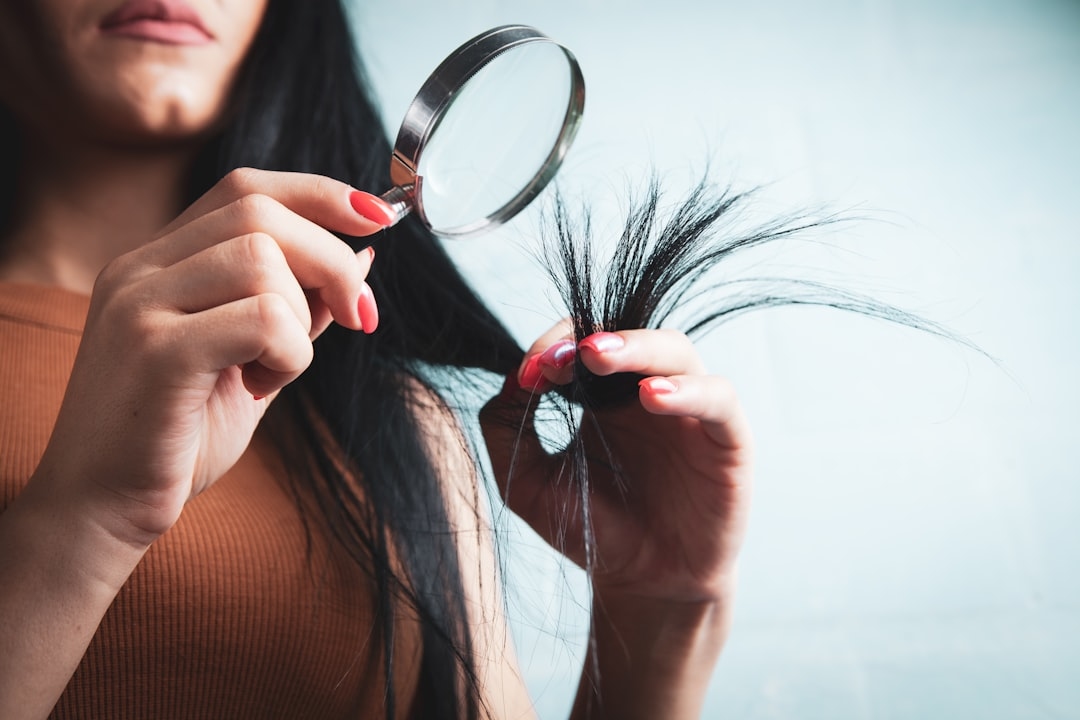
If your hair has already developed greenish or bronzed tones from chlorine exposure, chelating shampoo alone won’t remove the discolouration. You need a colour-removal treatment. Budget options include purple shampoo (for blonde or grey tones, £3–£5) or blue shampoo (for orange/brassy tones, £3–£5). For significant discolouration, a professional colour treatment at a salon (£30–£60) removes the tint completely. At-home options like Wella T18 or T14 toner (£5–£8) work for lighter hair but require careful application.
Dry, Brittle Hair
Once chlorine has damaged your hair’s structure, recovery takes time. Increase deep conditioning to every day for 2–3 weeks. Apply leave-in conditioner to damp hair and sleep with it overnight (place a silk pillowcase underneath to prevent staining). Trim damaged ends every 6–8 weeks. Avoid heat styling during recovery periods. Hair grows approximately 0.5 inches monthly, so visible repair takes 2–3 months with consistent care.
Scalp Irritation or Dryness
Chlorine can irritate your scalp, causing itching or flaking. Use a chelating shampoo only on your hair shaft, avoiding the scalp. Follow immediately with a scalp-specific conditioner or coconut oil treatment. If irritation persists beyond a week, reduce swimming frequency or increase protective measures. Apply a lightweight scalp oil (£4–£6) to your scalp on non-swimming days.
Maintenance Beyond the Pool: Long-Term Hair Health
Chlorine protection extends beyond immediate post-swim care. Building overall hair resilience reduces chlorine’s cumulative impact.
Minimise Heat Styling
Heat damage compounds chlorine damage. During swimming season, air-dry your hair whenever possible. Limit blow-drying to 1–2 times weekly maximum. Chlorine-damaged hair has a compromised cuticle layer that heats further compromise. Protective serums (£5–£8) reduce heat damage but don’t eliminate it—minimising heat exposure remains most effective.
Weekly Protein Treatments
Chlorine strips protein from your hair structure. Weekly protein treatments rebuild strength. Budget options include Aphogee Two-Step Protein Treatment (£5.50) or Coppola Keratin Treatment (£6.00). Use protein treatments 1–2 times weekly during peak swimming season, reducing to once monthly during off-season.
Regular Trims
Trim your hair every 6 weeks during summer pool season. This removes damaged, split ends before they travel up the hair shaft, causing wider damage. A budget cut at a high street salon costs £12–£20 compared to £40–£60 at premium salons, with identical results for chlorine management.
FAQ: Common Chlorine Hair Questions
How quickly does chlorine damage hair?
Visible damage develops within 5–7 swimming sessions for light-coloured hair and 10–14 sessions for darker hair. You’ll notice dryness and texture change within 2–3 sessions regardless of colour. With consistent protection measures, you can swim regularly without noticeable damage.
Is it better to wet hair before swimming or use a cap?
A swimming cap is more effective (75 percent protection) than pre-wetting alone (50 percent protection). Ideally, combine both for maximum protection. If you must choose one, a well-fitting cap protects more thoroughly.
Can you reverse green hair from chlorine?
Yes. Purple shampoo (£3–£5) works for blonde or grey-toned hair. Blue shampoo addresses orange-toned discolouration. For significant green tinting, a professional colour correction treatment at a salon (£30–£60) provides better results. The discolouration is not permanent—it fades as hair grows and with consistent treatment.
How often should I use chelating shampoo?
Use a chelating shampoo once weekly on days you swim if you swim 2–3 times weekly. If you swim more frequently (4+ times weekly), use chelating shampoo twice weekly. Never exceed twice weekly, as over-use strips your hair’s natural oils, causing additional damage.
Does chlorine damage only affect swimmers?
No. Anyone who showers in heavily chlorinated water may experience mild damage, particularly those with fine or blonde hair. Regular pool swimmers experience far more severe damage due to prolonged submersion. However, a 5-minute chlorinated shower once or twice monthly causes minimal cumulative damage compared to weekly swimming sessions.
What’s the difference between chlorine and salt water damage?
Chlorine oxidises hair protein; salt water dehydrates it through osmotic pressure. Both cause damage but through different mechanisms. Salt water damage is often less visible (your hair simply feels dry) but accumulates faster in tropical climates. Protect against salt water similarly—pre-wetting, protective products, and immediate rinsing prevent damage.
Protecting your hair from chlorine requires planning, consistency, and modest investment in protective products, but it’s absolutely achievable within a budget. The key is starting protection before you enter the pool rather than trying to reverse damage afterward. Swimmers who commit to pre-swim preparation, immediate post-swim care, and weekly deep conditioning maintain healthy hair throughout their training seasons. Your hair’s resilience is worth the few extra minutes of preparation each swimming session requires.