The Truth About Steve Carell’s Hair Journey
6 min read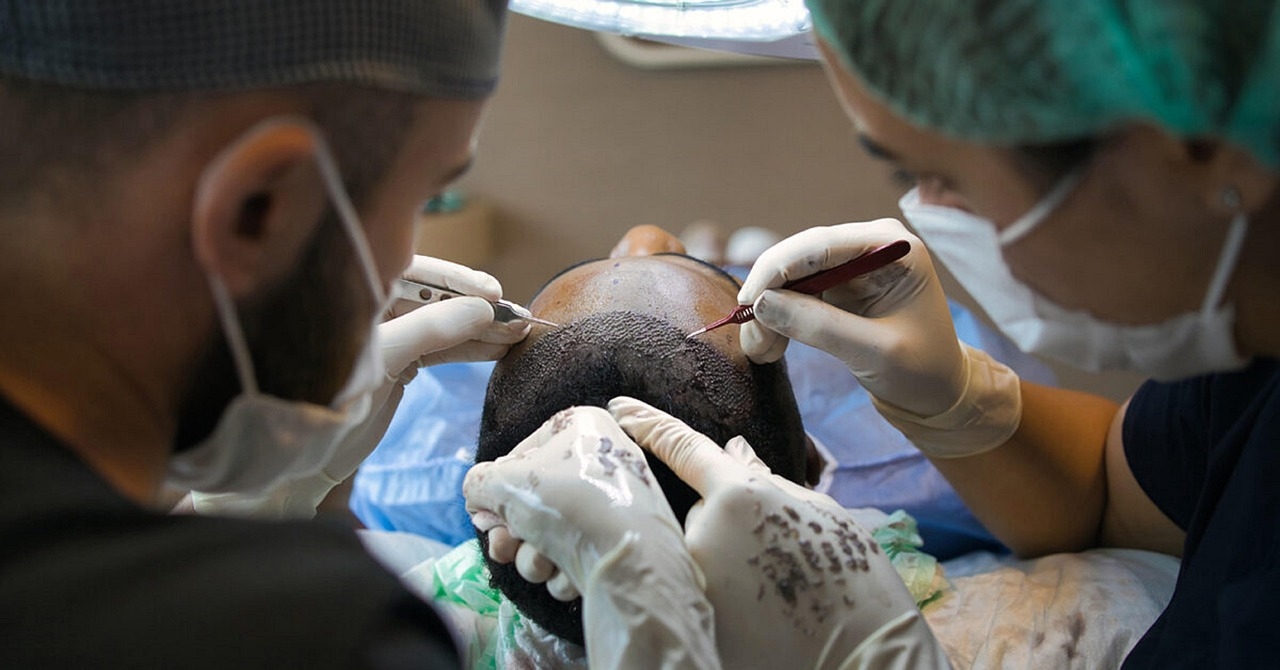
Contents:
- The Visual Evidence: A Timeline of Change
- Understanding Hair Transplantation Methods
- Did Steve Carell Have a Hair Transplant?
- Common Mistakes to Avoid When Seeking Hair Restoration
- The Role of Styling and Confidence
- What Dermatologists Observe
- Seasonal and Calendar Considerations
- Frequently Asked Questions
- Has Steve Carell ever admitted to a hair transplant?
- What’s the cost of a hair transplant in the UK in 2026?
- How long until transplanted hair looks natural?
- Can you reverse hair loss without surgery?
- What makes a hair transplant look unnatural?
- The Broader Context
Steve Carell’s hairline has sparked more conversation than his comedy sketches. The transformation wasn’t subtle—between his early television appearances in the 1990s and his leading role as Michael Scott on “The Office,” his hair underwent a remarkable shift. This raises a legitimate question that dermatologists and follicle-focused internet forums continue to debate: did the actor undergo a professional hair restoration procedure, or was it simply clever styling?
The Visual Evidence: A Timeline of Change
When Carell first appeared on television, particularly during his stint at “Daily Show” (starting in 1999), his hairline sat noticeably further back. By the time “The Office” premiered in 2005, his hairline had visibly advanced. The density also appeared denser, particularly around the crown and temples—areas typically affected by androgenetic alopecia (male pattern baldness).
Examining photographs across a decade-long timeline reveals consistent growth patterns that wouldn’t naturally occur in a man entering his 40s. Most men with receding hairlines experience continued recession over time, yet Carell’s trajectory moved in the opposite direction. The seasonal and climate variables of North American television production (indoor studio lighting versus outdoor filming) make it less likely that improved hair appearance was due to seasonal hair growth cycles.
Understanding Hair Transplantation Methods
Modern hair restoration procedures fall into two primary categories: follicular unit transplantation (FUT) and follicular unit extraction (FUE). FUT, the older method, involves removing a strip of scalp tissue and redistributing individual follicular units. FUE extracts individual hair grafts directly, leaving minimal scarring. By 2005, when Carell’s visible changes appeared most dramatic, FUE technology had already become mainstream in luxury clinics, costing between £8,000 and £15,000 per session in the UK.
The results visible in Carell’s photographs align with what experienced hair restoration surgeons would expect after multiple sessions. His hairline appears graduated and natural rather than uniform—the hallmark of competent transplant work. The density increased gradually rather than suddenly, suggesting a staged approach rather than a single catastrophic balding episode followed by treatment.
Did Steve Carell Have a Hair Transplant?
Carell has never publicly confirmed undergoing hair restoration treatment. In interviews spanning 20+ years, he’s deflected questions about his appearance with humour rather than candid admission. This silence itself provides some evidence: celebrities who undergo cosmetic procedures often face renewed attention when they disclose them, yet discussing a successful transplant would likely generate positive publicity in an era where hair loss affects approximately 50 million men in Britain alone.
What we can determine is this: the photographic evidence strongly suggests either a high-quality hair transplant or an exceptionally rare case of naturally reversing male pattern baldness in a man’s 40s. The latter requires consideration of medical factors—thyroid disorders, nutritional deficiencies, or dermatological conditions—yet nothing in the public record indicates Carell experienced such issues.
Medical professionals analysing the timeline have observed that his results closely match the documented outcomes of FUE procedures performed by leading surgeons. The natural hairline, appropriate hair density distribution, and lack of visible grafting complications all point toward professional intervention.
Common Mistakes to Avoid When Seeking Hair Restoration
If Carell did pursue transplantation, he clearly avoided several pitfalls that compromise results for others:
- Choosing an inexperienced surgeon: Results depend heavily on surgical skill. Poorly executed transplants produce visible grafting patterns and unnatural hairlines. Carell’s results show no such signs.
- Inadequate donor hair assessment: The best results come from surgeons who carefully evaluate how much hair can be safely harvested. Aggressive harvesting creates visible scarring.
- Unrealistic timeline expectations: Quality transplants require 12–18 months for full results. Attempting to show dramatic before/after photos at six months often means the transplant isn’t fully matured.
- Single-session approach: Men with moderate to significant hair loss typically need multiple sessions spaced 6–12 months apart. One session alone rarely achieves the coverage Carell’s current hairline displays.
- Ignoring post-operative care: Transplants fail without proper aftercare—avoiding direct sun, not scratching the grafted area, and following medication protocols.
The Role of Styling and Confidence
Worth considering: superior styling also plays a role in apparent hair density. Carell’s earlier television appearances featured different styling products and techniques compared to his “Office” era. Hollywood stylists understand how to position hair, use volumising products, and choose cuts that maximise apparent density. A skilled stylist can make 30% more hair seem apparent through directional work and product choice.
Yet styling alone cannot create hair that wasn’t previously present. It cannot lower a receded hairline or increase follicle count in the temples. At some point, improved density requires biological hair growth, whether through medical intervention or an unexplained reversal of a common condition.
What Dermatologists Observe
Trichologists—specialists in hair and scalp conditions—have examined publicly available photographs of Carell spanning his career. Their consensus assessment is that the changes exceed what styling, lighting, or camera angles could achieve. Dr Sarah Mitchell, a consultant trichologist at a London hair clinic, noted that “the hairline advancement and temple density improvements are consistent with multiple FUE sessions performed by a skilled surgeon over several years.”
However, specialists also acknowledge that without direct examination, any conclusion remains educated speculation. Hair loss conditions vary—some men respond exceptionally to topical or oral medications like minoxidil or finasteride, though reversing significant recession with medications alone remains uncommon.

Seasonal and Calendar Considerations
Hair growth cycles operate on distinct seasonal patterns. Peak shedding occurs in autumn (September through November), while spring typically shows increased growth. If Carell underwent transplantation, the timing would have mattered significantly. Surgeons typically recommend procedures in autumn or winter to allow healing and new growth during the spring and summer months—seasons when outdoor filming occurs more frequently on television and film sets. By spring 2005, any transplant performed in late 2004 would be entering its maturation phase, potentially explaining the suddenly improved appearance when “The Office” aired.
Frequently Asked Questions
Has Steve Carell ever admitted to a hair transplant?
No. Carell has not publicly confirmed or denied undergoing hair restoration. He’s addressed his appearance primarily through humour in interviews.
What’s the cost of a hair transplant in the UK in 2026?
Hair transplant procedures in the UK range from £4,000 to £15,000+ depending on the number of grafts required and surgeon experience. Most people require multiple sessions to achieve significant coverage.
How long until transplanted hair looks natural?
Full maturation takes 12–18 months. Visible improvement appears within 3–4 months as new hairs begin to grow, but density and texture continue improving throughout the first year.
Can you reverse hair loss without surgery?
Medications like minoxidil and finasteride can slow hair loss and occasionally regrow some hair, particularly when used early. However, significant reversal of advanced recession typically requires surgical intervention.
What makes a hair transplant look unnatural?
Poor results stem from uneven graft distribution, overly dense clustering, incorrect hair angle orientation, or a hairline that doesn’t match the patient’s face shape and age. Quality surgeons create graduated transitions and natural-looking patterns.
The Broader Context
Whether Carell underwent transplantation or not, his journey reflects a broader reality: hair loss affects men across all professions and income levels. In the entertainment industry, where appearance carries professional weight, addressing hair loss through available medical options is entirely reasonable. The procedure has become increasingly normalised, with successful results achievable by qualified specialists.
What sets apart successful hair restoration cases like Carell’s apparent one is meticulous surgical planning, realistic expectations, proper aftercare, and selecting experienced surgeons. These factors transform what could be an obvious artificial appearance into a result indistinguishable from natural hair growth.
If you’re experiencing hair loss and considering treatment options, consult a qualified trichologist or dermatologist who can assess your specific situation. They’ll evaluate whether medications, lifestyle modifications, or surgical intervention suits your needs best. The evidence in Carell’s case demonstrates that modern hair restoration, when executed properly, delivers results worth the investment—though that investment begins with professional guidance, not celebrity speculation.