How to Make a Hair Mask at Home: Complete Guide for Healthier Hair
11 min read
Contents:
- Why Make Your Own Hair Mask Instead of Buying One
- Essential Ingredients for DIY Hair Masks
- Carrier Oils: The Foundation
- Protein and Hydration Sources
- Optional Botanicals and Actives
- Simple Recipes for Common Hair Concerns
- For Dry, Damaged Hair
- For Oily, Fine Hair
- For Curly or Textured Hair
- For Colour-Treated or Bleached Hair
- Preparing and Applying Your Hair Mask Properly
- Mixing and Storage
- Pre-Application Preparation
- Application Technique
- Timing and Heat
- Rinsing and After-Care
- Advanced Tips for Maximum Results
- Customising Based on Hair Response
- Combining Masks with Your Regular Routine
- Seasonal Adjustments
- Using What You Already Have
- Cost Breakdown: Annual Investment
- Frequently Asked Questions
- Can I leave a hair mask on overnight?
- What if my mask is too thick or too thin?
- Can I use a hair mask if I have a sensitive scalp?
- How often should I use a hair mask?
- Why does my hair feel sticky or greasy after a mask?
- Your Homemade Hair Care Journey Starts Now
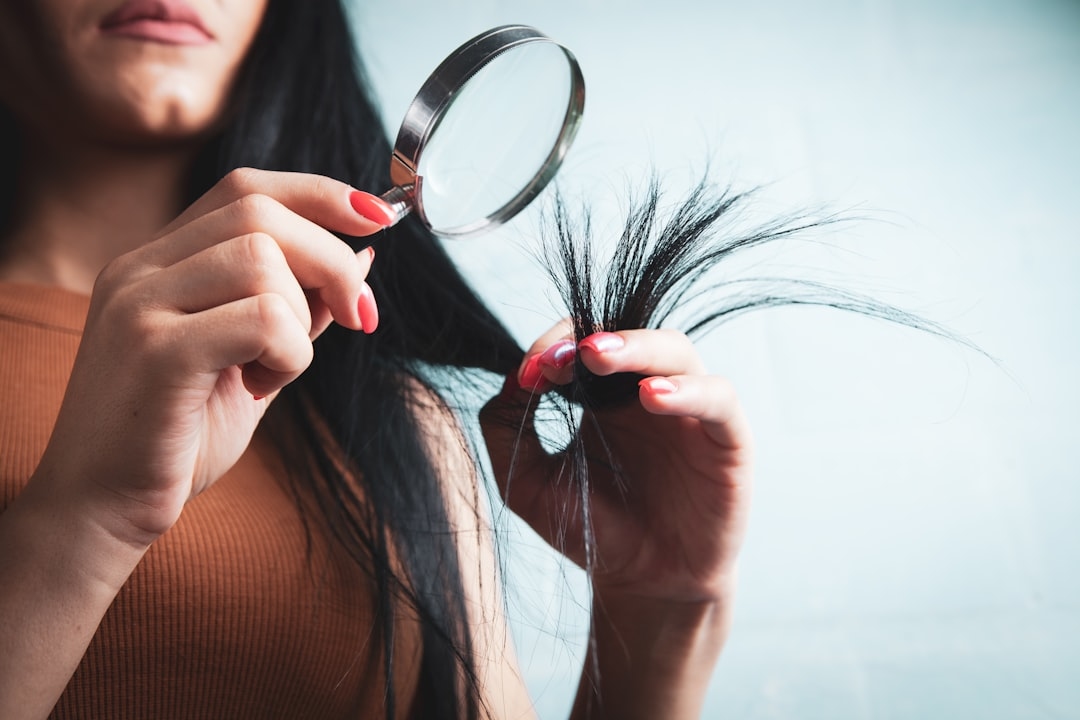
Your hair is suffering. Exposure to heat styling, hard water, and pollution strips moisture and protein from every strand. The beauty industry will tell you the solution arrives in a £40 jar with a promise and a price tag. The reality is simpler: how to make a hair mask at home costs almost nothing and works better than many commercial alternatives.
This isn’t marketing. Homemade hair masks use the same botanical concentrates, oils, and proteins that luxury brands hide behind marketing budgets. The difference is time—your time, not their manufacturing process. In a small apartment or modest bathroom, you can prepare a mask that rivals salon treatments, using ingredients already in your kitchen or available from any supermarket for pounds, not tens of pounds.
What makes this approach valuable isn’t novelty. It’s the combination of three practical realities: effectiveness, economy, and control. You choose your ingredients based on what your hair actually needs, not what a corporation decided was this season’s trend.
Why Make Your Own Hair Mask Instead of Buying One
Commercial hair masks start at around £12 and climb to £45 or more for prestige brands. A single-use sachet typically contains 15–20ml of product. When you make your own, a single application costs between £1.50 and £3.50, depending on ingredient choices. Over a year, if you use a hair mask twice weekly, you’ll spend roughly £150–£360 on store-bought products. Homemade versions cost £40–£80 annually for the same frequency.
Beyond cost, commercial masks contain stabilisers, preservatives, and marketing ingredients that don’t improve hair health. They’re formulated for shelf stability, not optimal results. When you make a mask at home, you’re working with fresh, potent ingredients at their peak efficacy. Coconut oil doesn’t degrade in your kitchen the way it might after months in warehouse storage and transport.
Control matters, too. If your scalp is sensitive to fragrance, you skip the essential oils. If your hair is prone to protein overload, you adjust the recipe. Commercial products use standardised formulas that ignore your hair’s individual chemistry. A homemade approach lets you experiment and refine based on what your hair responds to in real time.
Essential Ingredients for DIY Hair Masks
Every effective hair mask builds from three categories: carriers, proteins or humectants, and optional botanicals. Understanding each layer helps you construct masks suited to your specific needs.
Carrier Oils: The Foundation
Carrier oils penetrate the hair shaft, nourish the scalp, and provide slip that prevents breakage during application. They’re also the most affordable component. Choose based on your hair type:
- Coconut Oil: The most accessible carrier. It’s antibacterial, seals moisture, and costs roughly £4–£6 per 500ml jar. Use 2–3 tablespoons per mask. It can feel heavy on fine hair, so reduce quantity if that’s your concern.
- Argan Oil: Lighter than coconut, with no solid phase at room temperature. Rich in antioxidants and vitamin E. Costs £8–£12 per 30ml bottle. A little goes far—use 1–2 tablespoons per mask.
- Jojoba Oil: Mirrors the scalp’s natural sebum, making it ideal for balance. Costs £6–£10 per 100ml. Use 2 tablespoons per mask for any hair type.
- Olive Oil: Kitchen staple, deeply moisturising, costs £3–£5 per litre. Use 3 tablespoons per mask. Can feel heavier than argan but equally effective.
- Almond Oil: Lightweight, nourishing, costs £5–£8 per 250ml. Use 2–3 tablespoons. Good for sensitive scalps.
Pro tip: Mix two carrier oils for balanced results. Combine argan (20%) with coconut (80%) if you want lightweight nourishment without the price of pure argan.
Protein and Hydration Sources
Proteins strengthen hair structure and repair visible damage. Humectants (like honey and glycerine) draw moisture into the hair shaft. Most effective masks include both:
- Egg Yolk: High in lecithin and proteins. One yolk per mask. Don’t use the white—it’s too stripping. Cost: negligible (roughly 30p per yolk).
- Avocado: Rich in fatty acids and vitamins. Blend half an avocado into your mask. Costs 50p–£1 per fruit. Creates a thick, luxurious texture.
- Honey: A powerful humectant that binds moisture. Use 1–2 tablespoons per mask. Raw honey is superior—costs £4–£8 per 500g jar. One jar makes 10–15 masks.
- Yoghurt (Plain, Full-Fat): Contains lactic acid (gentle exfoliation) and probiotics. Use 3–4 tablespoons. Costs 60p–£1.20 per 500g tub. Makes 3–4 masks per tub.
- Banana: Rich in potassium and natural sugars. Blend one medium banana. Costs 15–25p. Creates slip and shine.
Optional Botanicals and Actives
These magnify results and address specific concerns without dramatically raising cost:
- Essential Oils: Lavender, rosemary, and peppermint improve scalp circulation. Use 3–5 drops per mask. A 10ml bottle costs £4–£7 and lasts months.
- Apple Cider Vinegar: 1 tablespoon balances pH and adds shine. Costs £2–£4 per 500ml bottle. Masks it well with honey.
- Aloe Vera Gel: 2 tablespoons soothe inflammation and hydrate. Fresh gel from a plant costs nothing long-term (one plant, £8–£15, provides months of gel). Store-bought costs £3–£5 per 200ml tube.
- Coconut Milk (Full-Fat Canned): 2–3 tablespoons add protein and creaminess. Costs £1–£1.50 per can. One can makes 4–5 masks.
Simple Recipes for Common Hair Concerns
For Dry, Damaged Hair
The Intensive Repair Mask rebuilds moisture and protein simultaneously. Mix:
- 3 tablespoons coconut oil
- 1 egg yolk
- ½ mashed avocado
- 2 tablespoons raw honey
- 1 tablespoon coconut milk (canned)
Blend thoroughly until smooth. The consistency should resemble thick yoghurt. Apply to damp hair, starting at the roots and working toward the ends. Focus on the mid-lengths and tips where damage accumulates. Leave for 20–30 minutes. Shampoo twice to remove oil residue fully. Use weekly or bi-weekly. This mask costs approximately £2.20 per application and delivers results comparable to masks costing £25–£35.
For Oily, Fine Hair
The Lightweight Balance Mask nourishes without heaviness. Mix:
- 2 tablespoons argan oil
- 3 tablespoons plain yoghurt
- 1 tablespoon raw honey
- 3 drops lavender essential oil
- 2 tablespoons aloe vera gel
Yoghurt and aloe provide hydration while argan offers nourishment in minimal quantity. Essential oils stimulate scalp circulation without buildup. Apply to damp hair, concentrating on the mid-lengths and ends. Leave for 15 minutes only—fine hair tires under lengthy mask exposure. Shampoo once with a gentle cleanser. Use every 7–10 days. Cost per application: £1.80.
For Curly or Textured Hair
The Definition and Moisture Mask enhances curl pattern while preventing frizz. Mix:
- 2 tablespoons coconut oil
- 2 tablespoons argan oil
- ½ mashed banana
- 1 egg yolk
- 2 tablespoons raw honey
- 3 tablespoons coconut milk (canned)
Banana and coconut milk add body. The oils seal moisture into curls. Honey improves elasticity. This is a thicker mask—blend until uniform. Apply section by section, working through each curl with your fingers. Leave for 25 minutes. Shampoo thoroughly; residual oil dampens curl definition. Use twice monthly. Cost per application: £2.80.
For Colour-Treated or Bleached Hair
The Restorative Protein Mask fortifies compromised strands. Mix:
- 2 tablespoons argan oil
- 2 egg yolks
- 3 tablespoons plain yoghurt
- 1 tablespoon raw honey
- 1 teaspoon apple cider vinegar
Two yolks provide intensive protein. Apple cider vinegar closes the cuticle, locking colour in and enhancing shine. Argan’s antioxidants protect colour molecules. Apply to clean, damp hair. Leave for 20 minutes. Shampoo thoroughly—egg residue is noticeable if not rinsed fully. Use weekly for heavily treated hair, bi-weekly for moderately processed lengths. Cost: £1.90 per application.
Preparing and Applying Your Hair Mask Properly
Mixing and Storage
Mix only what you’ll use immediately. Homemade masks without preservatives last 3–4 days refrigerated, but fresh is optimal. Some ingredients (egg, avocado) degrade quickly; others (honey, oils) last longer. A simple rule: if it contains egg or fresh fruit, use within 2 hours. If it’s oil-based with honey, refrigerate and use within 5 days.
Use glass or ceramic bowls and wooden spoons. Metal reacts with acidic ingredients like vinegar and citrus. If blending, pulse rather than speed-blend—high speed creates aeration that introduces bacteria and oxidises oils prematurely.
Pre-Application Preparation
Damp hair absorbs product more effectively than soaking wet hair. After shampooing, squeeze excess water with a microfibre towel. Your hair should feel damp, not dripping. Comb through gently with a wide-tooth comb to detangle—applying masks to knotted hair traps product where you don’t want it and causes matting.
Sectioning matters. Divide your hair into 4–6 sections using clips. This ensures even application, prevents missing spots, and prevents the clumping that occurs when you apply thick product haphazardly.
Application Technique

Start at the roots of your first section. Use your fingers or a wide, paddle brush to work the mask through. Distribute evenly from scalp to tips, using approximately 1 tablespoon per section for shoulder-length hair (adjust for length and density). Don’t pile hair on top of your head—this concentrates product unevenly. Instead, let sections hang naturally and smooth the mask through with downward strokes.
For scalp treatments, massage the mask directly into your scalp using your fingertips in small circles for 2–3 minutes. This stimulates circulation and ensures the scalp receives nutrients, not just the hair shaft.
Timing and Heat
Leave the mask on for 15–30 minutes depending on the recipe and your hair’s condition. Longer isn’t always better—protein masks over 30 minutes can cause brittleness. Wrap your head in a warm, damp towel or shower cap to create gentle heat that opens the cuticle and allows deeper penetration. Don’t use direct heat from a hair dryer—this can cook oils and damage protein treatments.
Rinsing and After-Care
Rinse thoroughly with cool or lukewarm water. Hot water reopens the cuticle. Cool water seals it, enhancing shine. Rinse until the water runs completely clear—residual oil dull the hair and feel uncomfortable on the scalp. A final rinse with a tablespoon of apple cider vinegar dissolved in cool water eliminates any remaining residue and adds shine.
Shampoo lightly after if the mask was oil-intensive. A gentle, sulphate-free shampoo removes excess without stripping. Some people find one shampoo sufficient; others prefer two. Experiment. The goal is clean hair that feels smooth, not squeaky.
Skip conditioner after a mask treatment—your hair already has intensive moisture. Conditioning afterward can overload fine hair or leave residue on oily hair. Wait at least a week before your next hair mask to prevent product buildup.
Advanced Tips for Maximum Results
Customising Based on Hair Response
Not every hair type responds identically to the same recipe. Track what works. After using a mask, note the results: shine, softness, definition, frizz control, volume. Adjust in your next batch. If hair felt oily, reduce carrier oil by 25% in the next formula. If it felt dry, increase honey or add an extra egg yolk. This iterative approach, done over 4–6 weeks, yields a personalised mask far more effective than any commercial product could be.
Combining Masks with Your Regular Routine
Hair masks complement shampoo and conditioner; they don’t replace them. Use masks 1–3 times weekly depending on your hair’s condition and your budget. Between masks, use a standard conditioner (or no conditioner if your hair is fine or oily). The combination—regular cleansing plus intensive masks—maintains balance without the buildup that occurs from daily intensive treatments.
Seasonal Adjustments
Winter air and central heating dry hair dramatically. In winter, increase mask frequency to twice weekly and extend application time to 25–30 minutes. Summer humidity and UV exposure can damage hair structure. Summer masks should emphasise protein (add an extra egg yolk) and antioxidants (increase honey, add a drop of vitamin E oil). Adjust your base recipe seasonally rather than starting fresh each quarter.
Using What You Already Have
Most kitchens contain the core ingredients for an effective mask. Coconut oil (in baking supplies or health food aisles), honey (breakfast staple), eggs, and yoghurt form a complete mask. You don’t need to purchase specialty ingredients. The optional botanicals—essential oils, argan oil, aloe—improve results but aren’t prerequisites. Start simple, then experiment.
Cost Breakdown: Annual Investment
Using a hair mask twice weekly, here’s your annual ingredient cost:
- Coconut oil (500ml jar, £5): 1 jar covers ~8 months of masks at 2 applications weekly. Annual cost: £7.50.
- Honey (500g jar, £6): 1 jar covers 12 months at 2 applications weekly. Annual cost: £6.
- Eggs (dozen, £2.50): 24 masks annually requires 2–3 dozen. Annual cost: £7.
- Yoghurt (500g tub, £1): Use in roughly 50% of masks. Annual cost: £13.
- Avocado (£0.80 each): Use in 25% of masks (26 annually). Annual cost: £21.
- Argan oil (30ml bottle, £10): Extends 4–5 months of alternate-week masks. Annual cost: £25–£30.
- Optional botanicals (essential oils, aloe): £15–£20 annually if purchased.
Total annual cost for twice-weekly hair masks: £75–£95.
A single commercial mask applied twice weekly costs £150–£360 annually. By making masks at home, you save £55–£285 per year whilst using fresher, more potent ingredients. A small apartment or limited bathroom requires no special equipment—just a bowl, spoon, and your hands.
Frequently Asked Questions
Can I leave a hair mask on overnight?
Oil-based masks can stay on 8–12 hours without damage, though results plateau after 30 minutes. Protein-based masks (with eggs) shouldn’t exceed 45 minutes—protein bonds saturate, and overapplication causes brittleness. Overnight masks work best for dry, oily scalps or damaged lengths. Use a protective pillow cover (dark cloth prevents staining) and shampoo thoroughly in the morning.
What if my mask is too thick or too thin?
Too thick: add 1 tablespoon plain yoghurt or water (if yoghurt isn’t already in the recipe). Mix and wait 5 minutes to assess. Too thin: add ½ tablespoon of carrier oil or ½ tablespoon honey. The consistency should resemble thick mayonnaise—spreadable but not runny.
Can I use a hair mask if I have a sensitive scalp?
Yes. Skip essential oils entirely and patch-test new ingredients on a small scalp area 24 hours prior. Use milder bases like aloe vera gel and coconut milk rather than pure oils. Stick to familiar ingredients: honey, banana, yoghurt, egg yolk. These rarely trigger sensitivity. Avoid apple cider vinegar if your scalp is inflamed or prone to dermatitis.
How often should I use a hair mask?
Healthy hair benefits from masks every 7–10 days. Dry, damaged, or colour-treated hair tolerates twice-weekly application. Fine hair usually prefers weekly or bi-weekly. Oily hair might need masks only every 14 days to avoid buildup. Start at twice weekly for 4 weeks, then adjust based on how your hair responds. Excessive masks invite product buildup; too-infrequent use means you’re missing benefits.
Why does my hair feel sticky or greasy after a mask?
Incomplete rinsing is the primary cause. Rinse for a full 2–3 minutes under cool water after shampooing. Second: the mask itself might be too oil-heavy for your hair type. Reduce carrier oil by 1–2 tablespoons in your next batch and increase hydrating components like yoghurt or aloe. Third: some people’s hair simply processes oil differently. Your hair might need only 15-minute applications rather than 25-minute ones.
Your Homemade Hair Care Journey Starts Now
Making a hair mask isn’t complicated. It’s an assembly of ingredients you already use, combined intentionally to address your hair’s actual needs. The economics are undeniable—annual savings between £50 and £280 matter, particularly when you live in a space where every pound counts. The results are equally compelling: fresher ingredients, deeper nourishment, and personalisation impossible with mass-produced formulas.
Begin with the basic recipe suited to your hair type. Mix it this week, apply it this weekend, and observe. Note the results. Next month, adjust one variable—perhaps more honey, perhaps less oil. Treat this as an ongoing conversation with your hair, not a one-time experiment. Within 3 months, you’ll have a signature formula that outperforms anything a shop shelf offers.
Your hair responds to what it actually needs, not what marketing departments claim it needs. Once you tap that principle, commercial hair care becomes optional. Your kitchen becomes your salon.