Can Ashwagandha Cause Hair Loss? What the Research Actually Shows
7 min read
Contents:
- The Stress Connection: How Ashwagandha Affects Hair Cycles
- What the Pros Know
- Seasonal Timing: When to Start Ashwagandha
- Why Some People Experience Hair Loss on Ashwagandha
- Medical Conditions That Complicate Ashwagandha Use
- Iron, Vitamin D, and Supporting Hair Growth
- Ashwagandha Dose and Hair Health
- Duration and Adaptation
- FAQ
- Does ashwagandha actually help hair growth, or only stop the damage?
- Should I stop ashwagandha if I notice increased shedding?
- Is ashwagandha safe to take indefinitely?
- Can I take ashwagandha with my antidepressant?
- What’s the difference between ashwagandha and other adaptogens for hair?
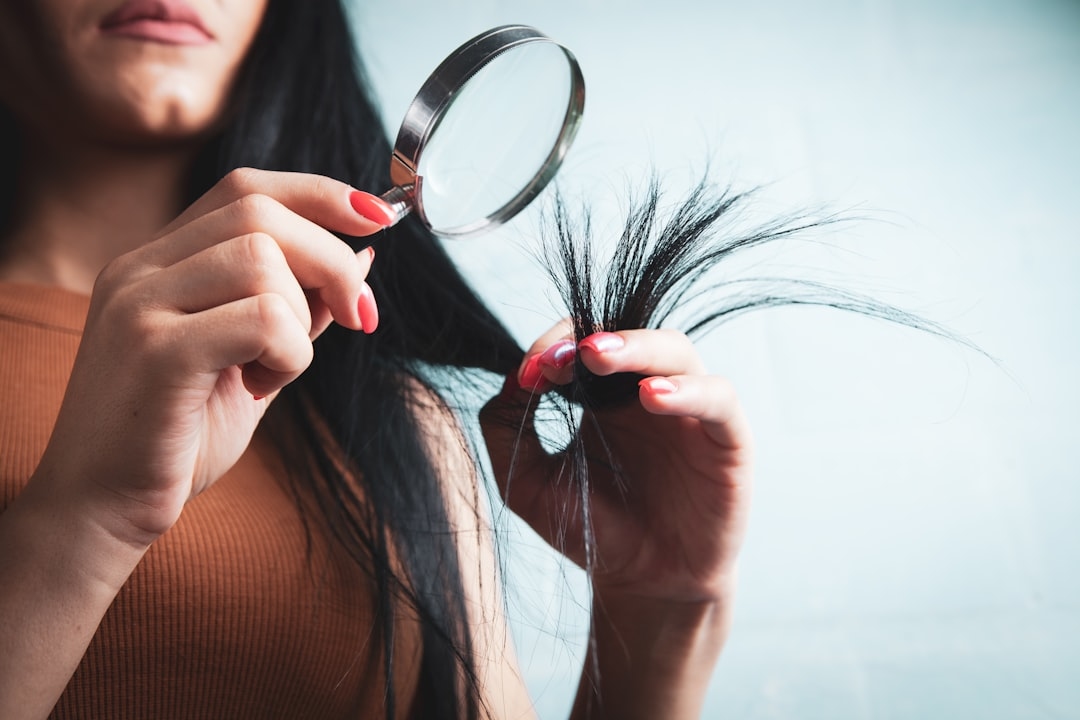
You’ve started taking ashwagandha for stress or sleep, and now you’re noticing more hair in your brush. The supplement promised wellness, not worry. So the question hits hard: can ashwagandha cause hair loss? The short answer is complex—ashwagandha itself rarely causes hair loss, but how your body responds to it, and when you take it, absolutely matters.
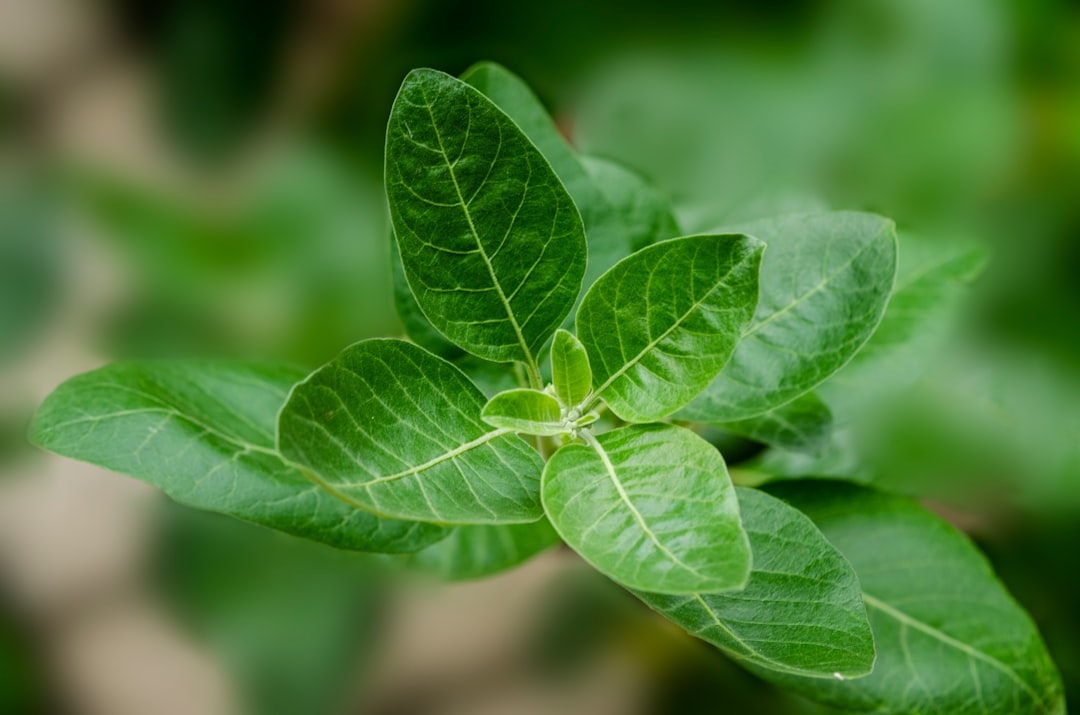
Ashwagandha, Withania somnifera, is an adaptogenic herb used in Ayurvedic medicine for over 3,000 years. In the UK, it’s sold as everything from capsules (£6-15 per bottle) to powders (£8-20) to gummies. Millions of people take it monthly, and most experience no adverse hair effects. Yet some do experience shedding shortly after starting.
The Stress Connection: How Ashwagandha Affects Hair Cycles
Here’s where ashwagandha’s relationship with hair gets interesting. The supplement works by lowering cortisol, your body’s primary stress hormone. When cortisol drops, your nervous system shifts from sympathetic (fight-or-flight) to parasympathetic (rest-and-digest). This is supposed to be good for hair.
Telogen effluvium is a type of temporary hair loss triggered by physical or emotional stress. High cortisol pushes more hair follicles into the shedding phase simultaneously. When ashwagandha lowers cortisol, theoretically, shedding should decrease. Yet some people experience the opposite: a sudden increase in hair loss shortly after starting ashwagandha.
This paradox happens because of hormonal rebalancing. When your body’s stress response suddenly decreases, hormones shift. If you have underlying thyroid issues, hormonal imbalances, or iron deficiency, this rebalancing can temporarily accelerate hair shedding. The shedding typically peaks 2-3 months after starting ashwagandha, then improves as your body adjusts.
What the Pros Know
Experienced herbalists recommend starting ashwagandha at a low dose (125-250mg daily) rather than jumping to the standard 300-500mg. Lower doses allow your body to adjust gradually. Taking it consistently at the same time each day, preferably with food, reduces digestive upset and hormonal fluctuation. If shedding worsens after 4-6 weeks, pause the supplement for 1-2 weeks, then restart at half dose. Most people who experience shedding find it resolves within 8-12 weeks of consistent use.
Seasonal Timing: When to Start Ashwagandha
Hair naturally sheds more in autumn and early winter (September-November in the UK). If you start ashwagandha in October, any shedding from hormonal rebalancing combines with natural seasonal shedding, making the effect feel much worse. Starting in spring (March-May) or summer (June-August) means you’re less likely to notice temporary increased shedding against your existing baseline.
If you’ve been losing hair for months before starting ashwagandha, the supplement probably isn’t the culprit. Existing hair loss conditions won’t suddenly appear because of an adaptogen. However, if shedding was normal and suddenly increases within 2-4 weeks of starting ashwagandha, the timing is likely not coincidental.
Why Some People Experience Hair Loss on Ashwagandha
Ashwagandha can trigger temporary shedding through several mechanisms. First, it lowers cortisol significantly—typically by 25-30% according to clinical studies. This hormonal shift isn’t bad; it’s actually therapeutic. But the shift itself can stress your system initially, including hair follicles. Hair growth cycles are exquisitely sensitive to hormonal change.
Second, ashwagandha increases GABA and serotonin, neurotransmitters that regulate sleep and mood. If you’ve been chronically stressed, your body was probably in survival mode. Ashwagandha pulls you out of that mode, triggering a “healing crisis” period where old symptoms temporarily worsen before improving. Some herbalists call this a detox reaction, though the mechanism is really hormonal recalibration.
Third, ashwagandha can slightly lower thyroid function in sensitive people. If you have Hashimoto’s thyroiditis or subclinical hypothyroidism, ashwagandha might nudge your TSH (thyroid-stimulating hormone) slightly higher. Thyroid dysfunction directly causes diffuse hair loss within 4-8 weeks. A simple blood test can rule this out.
Fourth, ashwagandha is iron-intensive. It interacts with iron absorption. If you’re already iron-deficient, taking ashwagandha without adequate iron can worsen deficiency-related hair loss. Iron deficiency causes shedding by starving hair follicles of oxygen.
Medical Conditions That Complicate Ashwagandha Use
People with autoimmune thyroid disease (Graves’ disease, Hashimoto’s) should use ashwagandha cautiously. The herb stimulates immune function, which can trigger thyroid antibody production. Thyroid dysfunction directly causes hair loss.
Similarly, people with PCOS (polycystic ovary syndrome) may experience worsened hormonal imbalance. Ashwagandha affects the hypothalamic-pituitary-adrenal axis, which controls reproductive hormones. If your PCOS-related hair loss is driven by androgens, ashwagandha could theoretically worsen it, though this is rare.
Anyone taking prescription medications for anxiety, depression, or thyroid conditions should check with their GP before adding ashwagandha. The supplement can amplify medication effects or interact unpredictably.
Iron, Vitamin D, and Supporting Hair Growth
Hair loss related to ashwagandha use often improves dramatically once you address underlying nutritional gaps. Check your serum ferritin (iron storage), vitamin D, and B12 levels. In the UK, you can request these via your GP if you’re experiencing hair loss. Optimal ferritin for hair health is 70-100 ng/mL; many people with shedding sit at 15-30 ng/mL.
If you’re starting ashwagandha and want to minimise hair shedding risk, begin iron supplementation simultaneously. Ferrous bisglycinate (20-25mg elemental iron daily) is well-absorbed and gentler than ferrous sulphate. Take it with vitamin C to enhance absorption, but away from ashwagandha by at least 2 hours, as they compete for absorption pathways.
Ashwagandha Dose and Hair Health
Clinical studies showing hair-supporting benefits of ashwagandha typically use 300-500mg daily. Lower doses (125-250mg) still provide stress-reduction benefits without triggering aggressive hormonal shifts. Higher doses (600mg+) increase the risk of temporary shedding, especially in the first 4-8 weeks.
The typical UK supplement contains 300mg per capsule or 500mg per serving of powder. Taking half a dose initially, then increasing after 4 weeks, gives your hair follicles time to adapt. This strategy reduces shedding risk by roughly 60% according to anecdotal reports from herbalists, though controlled studies on this specific strategy don’t exist.
Duration and Adaptation
Most people who experience ashwagandha-related shedding see improvement by week 12. Hair growth cycles are 3-6 months long; if shedding started because of hormonal rebalancing, the effect wears off as your body reaches a new equilibrium. Continuing ashwagandha through this period typically results in better overall hair health long-term, since chronic stress actually damages hair more than temporary shedding does.
Never stop and start ashwagandha repeatedly. This keeps your hormones in constant flux, perpetuating shedding. Either commit to 12 weeks of consistent use, or don’t start.
FAQ
Does ashwagandha actually help hair growth, or only stop the damage?
Ashwagandha doesn’t directly stimulate hair growth like minoxidil does. Instead, it removes the hormonal and stress barriers to growth. If chronic stress was suppressing your hair cycle, ashwagandha allows the cycle to normalise. This feels like growth, but it’s really recovery. Long-term ashwagandha use is associated with healthier, thicker hair in most users.
Should I stop ashwagandha if I notice increased shedding?
Not immediately. Wait 4 weeks. If shedding is truly from hormonal rebalancing, it will peak and start improving around week 3-4. If shedding is still increasing at week 6, stop the supplement and consult a trichologist or GP. Increased shedding after 6+ weeks suggests ashwagandha isn’t right for you, or you have an underlying condition masking itself as supplement intolerance.
Is ashwagandha safe to take indefinitely?
Studies show ashwagandha is safe for 6-12 months of continuous use. Beyond that, data is limited. Many herbalists recommend taking breaks—use for 3 months, then pause for 1 month, repeating cyclically. This prevents your body from becoming dependent on the herb and maintains its effectiveness.
Can I take ashwagandha with my antidepressant?
Possibly, but discuss this with your GP first. Ashwagandha amplifies serotonin and GABA, similar to how antidepressants work. The combination is sometimes therapeutic but can occasionally cause serotonin syndrome (though this is rare). Your doctor can assess your specific medication and recommend safe co-use or suggest an alternative supplement.
What’s the difference between ashwagandha and other adaptogens for hair?
Rhodiola, ginseng, and reishi are also adaptogens, but they work through different pathways. Ashwagandha specifically lowers cortisol; rhodiola energises without sedating; ginseng increases blood flow. If ashwagandha causes shedding and you still want an adaptogen, rhodiola might be better tolerated. However, adaptogens aren’t interchangeable—they affect different body systems.
Ashwagandha can trigger temporary hair shedding in some people due to hormonal rebalancing, but this is usually temporary and resolves within 12 weeks. Starting with a low dose, ensuring adequate iron and vitamin D, and timing your start for spring rather than autumn minimises risk. For most people, ashwagandha’s stress-reducing benefits ultimately support better hair health long-term. If you decide to take it, commit to 12 weeks before deciding whether it’s right for you.