Why Does My Hair Feel Like Straw? A Complete Guide to Dry, Damaged Hair
7 min read
Contents:
- Understanding Hair Structure and Why Your Hair Feels Like Straw
- Common Causes of Straw-Like Hair
- Heat Styling and Chemical Treatments
- Hard Water and Environmental Factors
- Nutritional Deficiencies and Lifestyle Factors
- Regional and Seasonal Patterns
- Practical Restoration Strategies
- Immediate Moisture Intervention
- Heat Styling Modifications
- Hard Water Solutions
- Expert Insight
- Frequently Asked Questions
- How long until straw-like hair improves?
- Can you reverse bleached straw-like hair?
- Is straw-like hair the same as frizz?
- Will expensive shampoo fix straw-like hair?
- Should I cut straw-like hair?
- Moving Forward
During the Victorian era, women would go to extraordinary lengths—literally—to maintain lustrous hair, spending hours with elaborate oil treatments and silk wrappings. Today, we’re far more likely to reach for a quick conditioner, yet paradoxically, many of us still struggle with the same problem our great-grandmothers faced: hair that feels brittle, coarse, and nothing like the soft, silky locks we desire. If your hair feels like straw, you’re not alone. This sensation typically signals that your hair’s moisture balance has been disrupted, and understanding the root cause is the first step toward restoration.
Understanding Hair Structure and Why Your Hair Feels Like Straw
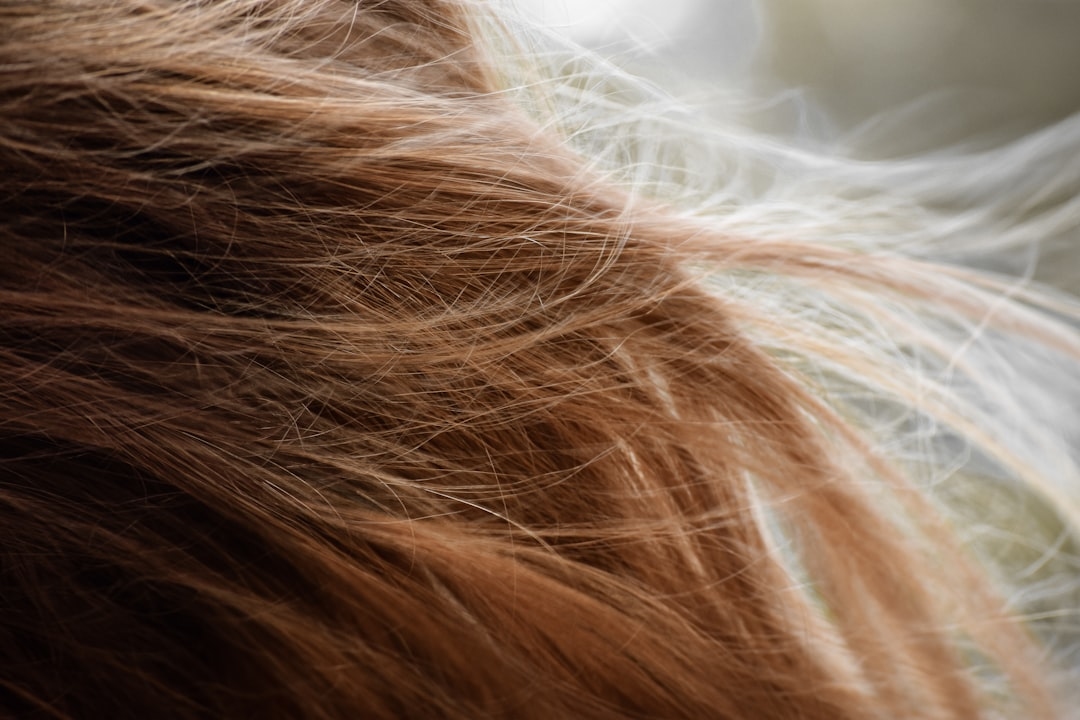
Hair texture isn’t random—it’s determined by the interaction between your hair’s inner structure and its outer protective layer. Each strand contains three layers: the medulla (innermost), the cortex (which holds pigment and provides strength), and the cuticle (the outermost layer of overlapping cells). When your cuticle lies flat and smooth, light reflects evenly, creating that coveted shine. When it’s raised and damaged, hair absorbs light unevenly and feels rough. Hair that feels like straw has a significantly raised cuticle with compromised moisture retention, meaning the cortex has lost essential water and proteins that keep it flexible and smooth.
The texture you perceive—that characteristic straw-like harshness—comes from friction between individual strands where the cuticle isn’t sealed properly. Research shows that hair containing less than 11% moisture content begins to feel noticeably drier and more brittle. Healthy hair typically contains between 10-13% water; straw-like hair often drops below 8%. This isn’t merely aesthetic. Dry, damaged cuticles are significantly more prone to breakage—hair with a compromised cuticle structure can snap at 60% less tension than undamaged hair.
Common Causes of Straw-Like Hair
Heat Styling and Chemical Treatments
Regular heat styling is one of the primary culprits behind straw-like hair texture. Hair straighteners, blow dryers, and curling irons operate at temperatures between 150-450°F (65-230°C). When heat exceeds 212°F (100°C)—water’s boiling point—it literally evaporates moisture from within the hair shaft. A single session with a standard blow dryer at high heat can reduce hair moisture content by 30% or more if hair isn’t properly protected.
Chemical treatments compound this damage. Permanent colouring, bleaching, relaxing, and even some semi-permanent dyes alter the hair’s protein structure. Bleaching, for instance, breaks down the bonds that keep the cuticle sealed, leaving hair permanently more porous and prone to moisture loss. If you’ve had your hair lightened in the past six months, you’re significantly more likely to experience straw-like texture.
Hard Water and Environmental Factors
The water flowing through your shower isn’t pure H₂O. In many UK regions, particularly the South and Midlands, hard water contains high mineral concentrations—primarily calcium and magnesium. These minerals deposit on your hair shaft, creating a buildup that prevents moisture from penetrating into the cortex. Over time, mineral accumulation makes hair feel progressively coarser and more brittle. Northwest regions like Lancashire experience softer water, whereas Southeast areas including London and Kent typically have mineral content exceeding 300 mg/litre.
Climate also plays a significant role. Low humidity environments—common during central heating season from October through March—dry hair out by drawing moisture from the hair shaft into the surrounding air. Conversely, coastal areas with high humidity sometimes experience different issues, but straw-like texture can still develop due to salt exposure and sun damage.
Nutritional Deficiencies and Lifestyle Factors
Your hair’s moisture comes not just from external conditioners but from internal hydration and protein synthesis. Insufficient protein intake (the body requires approximately 50g daily for most adults) limits your hair’s ability to repair itself and maintain structural integrity. Iron deficiency particularly impacts hair texture—studies show that iron levels below 30 ng/mL correlate with noticeably drier, more fragile hair.
Dehydration at the systemic level also affects hair. Your body prioritises vital organs over hair follicles; when dehydrated, the body directs limited water away from the hair-producing follicle cells. Combined with environmental stress, sleep deprivation (which impairs protein synthesis), and certain medications that increase moisture loss, lifestyle factors can transform healthy hair into straw-like texture within weeks.
Regional and Seasonal Patterns
Hair texture problems follow distinct geographical patterns across the UK. Northeast England and Scotland experience cooler temperatures and often softer water, yet residents report straw-like hair at higher rates during winter months due to heating systems and reduced humidity. The South and Southwest, with harder water and more sun exposure during summer, see peak complaints between June and September. Northern coastal areas experience unique challenges where salt spray combines with harder water to intensify dryness.
Seasonal shifts are predictable. Hair tends to feel driest between January and March (peak heating season, lowest humidity) and often improves significantly from May through August despite increased sun exposure, because humidity levels rise and rainfall increases water content in the air. Understanding your region’s specific seasonal pattern helps you anticipate and prepare for texture changes before they worsen.
Practical Restoration Strategies
Immediate Moisture Intervention
If your hair currently feels like straw, you need intensive moisture intervention before continuing with styling. Deep conditioning treatments containing humectants (glycerin, honey, panthenol) and emollients (argan oil, shea butter, coconut oil) restore moisture within 2-3 applications when applied weekly. Look for products containing at least 5% humectants and 3% plant oils—budget options around £8-15 often work as well as premium brands costing £40+.
Apply these treatments to damp hair and leave them on for minimum 15 minutes (longer is better—overnight treatments are highly effective). The dampness creates a semi-sealed environment allowing products to penetrate rather than evaporate. Follow with a cool rinse (tepid to cold water) to seal the cuticle flat, which increases shine and reduces future moisture loss.
Heat Styling Modifications
Using heat on straw-like hair compounds damage. If you must style with heat, reduce frequency to twice weekly maximum during the restoration period. Always apply a heat protectant spray containing silicones or proteins before styling—these form a temporary barrier reducing moisture loss by approximately 40%. Silicone-based products (look for dimethicone or cyclomethicone in ingredients) work best on coarser, already-damaged hair; protein-based protectants suit finer hair better.
Reduce temperature settings dramatically. Hair feels adequately straightened or dried at 300°F (149°C); the additional heat from pushing to 400°F (204°C) provides minimal styling benefit but substantially increases damage. Air-drying with a diffuser attachment, where possible, eliminates the problem entirely while allowing moisture to stabilise in the hair shaft.
Hard Water Solutions
Install a shower filter (£25-60) that removes mineral deposits. Alternatively, rinse with distilled water or add a chelating treatment to your routine monthly. Chelating shampoos contain compounds that bind to mineral deposits and remove them—products like Malibu Hard Water shampoo or budget alternatives (£5-8) chelate effectively. However, they’re harsh and strip natural oils, so use only once monthly rather than regularly.
Expert Insight
Dr. Sarah Merchant, a trichologist at London’s Chelsea clinic, notes: “Most patients who describe their hair as straw-like haven’t yet addressed the underlying moisture deficit. They’ll apply one deep conditioning treatment and expect transformation. Hair restoration is sequential—you must restore moisture for 4-6 weeks before the cuticle begins laying flat consistently. Patience is essential.”
Frequently Asked Questions
How long until straw-like hair improves?
Noticeable improvement typically appears after 3-4 weeks of consistent deep conditioning weekly. Full recovery to genuinely soft, healthy texture takes 8-12 weeks. Severely bleached or relaxed hair may require 6 months. Hair grows approximately 6 inches (15cm) yearly; structural damage doesn’t truly resolve until damaged hair grows out—new growth appears significantly healthier almost immediately.
Can you reverse bleached straw-like hair?
You cannot reverse the structural damage bleaching causes. You can only manage moisture and appearance temporarily with conditioning and styling products, or cut off damaged hair and prevent future damage. New growth post-bleach will be healthy if you protect your scalp and use appropriate aftercare products. Permanent damage requires permanent solutions—trimming.
Is straw-like hair the same as frizz?
No. Frizz involves individual strands lifting due to moisture penetration and humidity. Straw-like hair feels dry and brittle throughout, regardless of humidity. You can have frizzy healthy hair or straw-like damaged hair. They require different treatment approaches.
Will expensive shampoo fix straw-like hair?
Not typically. Regular shampooing strips moisture; conditioner restores it. Premium shampoos aren’t inherently better than budget options for damaged hair. Spend more on deep conditioning treatments (the restoration tool) and less on shampoo. A £3 gentle shampoo plus a £20 deep conditioning mask outperforms a £25 “luxury” shampoo used alone.
Should I cut straw-like hair?
Trimming removes the most severely damaged ends, allowing healthier hair above to be visible. A 1-2 inch (2.5-5cm) cut often transforms how hair looks and feels. However, trimming alone won’t restore moisture to remaining damaged length. Combine trimming with the restoration strategies above for best results.
Moving Forward
Hair that feels like straw is sending a clear message: your current routine isn’t meeting your hair’s needs. The specific cause—whether heat, chemicals, hard water, or internal factors—matters less than responding with appropriate restoration. Start with weekly deep conditioning this week, assess your water quality next week, and reduce heat styling the week after. Each intervention builds on the previous one. By summer 2026, your hair can feel genuinely soft again. The same moisture-restoration strategies that worked for our ancestors, when stripped of their time-intensive ritual nature, work equally well today. The difference is intention: committing to four consecutive weeks of consistent care produces results that sporadic treatments never will.