How to Hydrate Your Hair: A Complete Science-Based Guide to Moisture
12 min read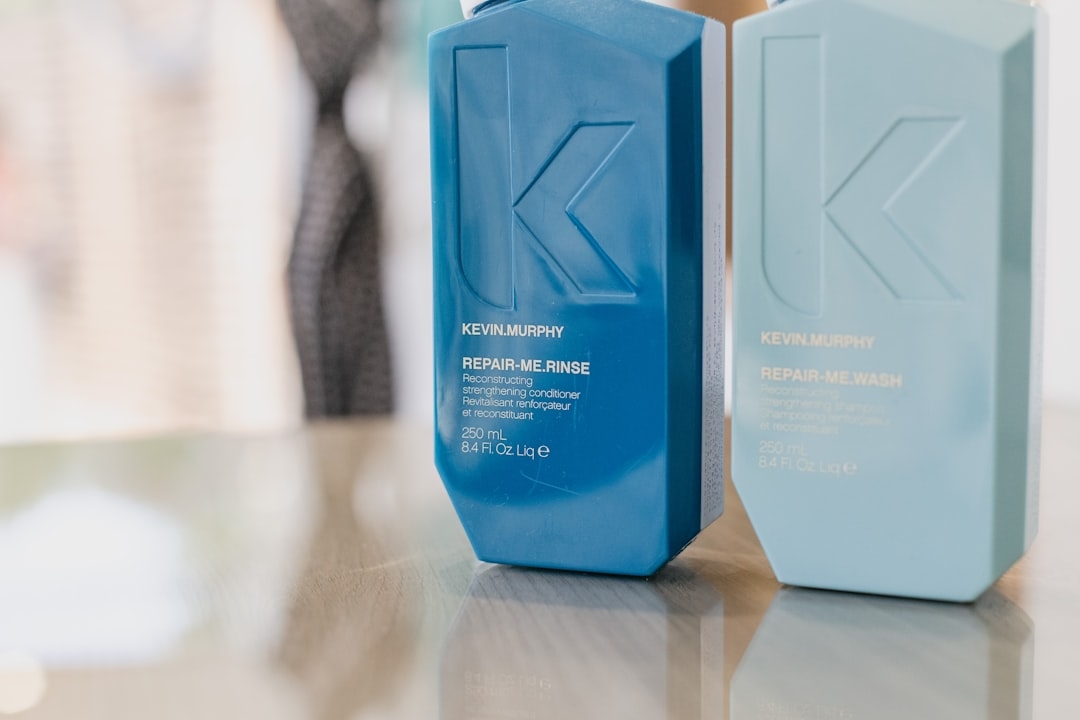
Contents:
- Quick Answer Box
- Understanding Hair Hydration: Science Meets Moisture
- The Difference Between Moisture and Protein
- How to Hydrate Your Hair: Step-by-Step Methods
- The Foundational Approach: Cleanse and Condition
- Deep Conditioning: The Weekly Hydration Boost
- Leave-In Conditioners: Ongoing Hydration Protection
- Seasonal Hydration Timeline: Adapting Throughout the Year
- Cost Breakdown: Hydrating Your Hair on Various Budgets
- Budget Option: £5-8 Monthly
- Mid-Range Option: £15-25 Monthly
- Comprehensive Option: £30-50 Monthly
- Technique Excellence: Making Your Hydration Routine More Effective
- Water Temperature Matters Enormously
- Plopping: A Simple Hydration Technique
- Sectioning During Deep Conditioning
- What the Pros Know
- Hydrating Specific Hair Types
- Fine or Thin Hair
- Thick or Coarse Hair
- Curly or Textured Hair
- Processed or Colour-Treated Hair
- Common Hydration Mistakes to Avoid
- Over-Conditioning the Scalp
- Using Hot Water Exclusively
- Insufficient Deep Conditioning Time
- Skipping Leave-In Conditioner After Heat Styling
- Washing Too Frequently
- When to Seek Professional Help
- FAQ
- How long does it take to hydrate dry hair?
- Should I condition every time I wash?
- Is conditioner enough or do I need deep conditioning masks?
- How often should I deep condition?
- What’s the difference between moisture and hydration?
For centuries, traditional herbalists and beauty experts understood something modern science has now proven: hydrated hair is healthy hair. In ancient Egypt, women used oils and water-based treatments to keep their hair glossy and resilient. Today, the approach hasn’t changed fundamentally—we’re still learning how to hydrate your hair through a combination of water, moisture-binding ingredients, and protective techniques. The difference is we now understand exactly why these methods work at a molecular level.
Quick Answer Box
The fastest way to hydrate your hair: Use a hydrating conditioner after every shampoo, apply a weekly deep moisture mask, limit heat styling to 2-3 times weekly, and drink adequate water. Most people see improvement within 2-3 weeks. For severely dry hair, add a leave-in conditioner (£4-12) and reduce washing frequency to 2-3 times weekly.
Understanding Hair Hydration: Science Meets Moisture
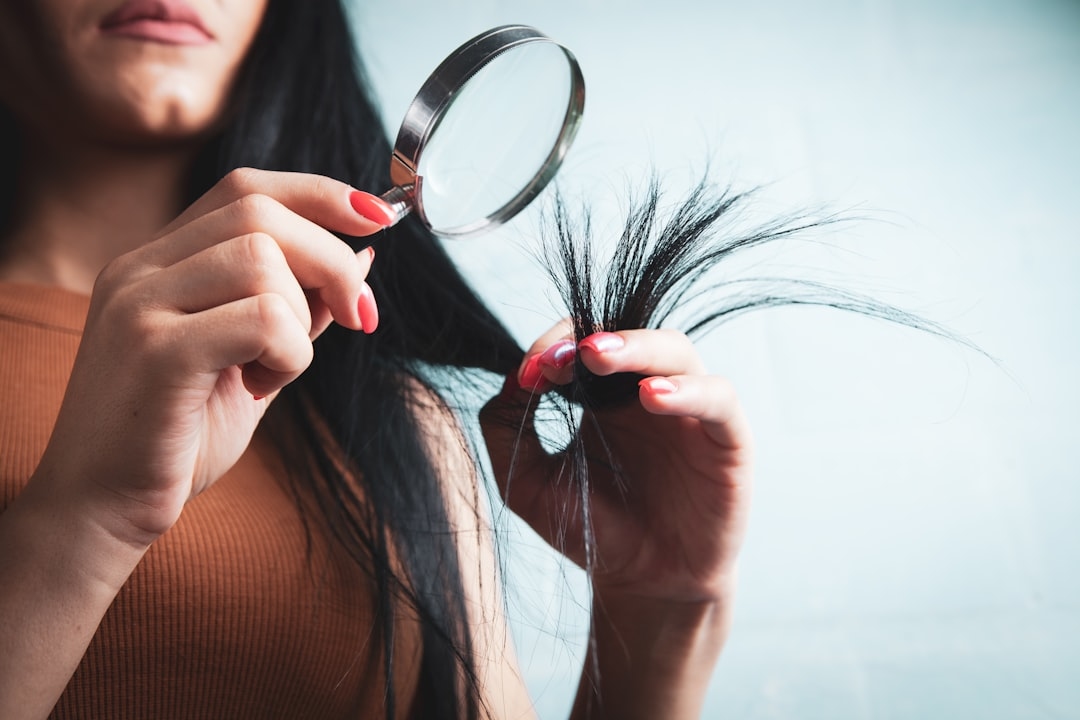
Hair hydration operates on a surprisingly simple principle: your hair shaft contains proteins, and those proteins hold water. When your hair is properly hydrated, water molecules fill the spaces between the protein chains, making hair flexible, shiny, and resistant to breakage. Dehydrated hair, by contrast, becomes brittle, dull, and prone to split ends.
The outermost layer of your hair, called the cuticle, acts as a gatekeeper for moisture. When the cuticle lies flat and smooth, moisture stays locked inside. When it raises up or becomes damaged, moisture escapes, and your hair becomes increasingly dry. This is why so much of hair hydration focuses on smoothing and protecting the cuticle.
Human hair can hold water up to 13% of its dry weight without being saturated. When properly hydrated, healthy hair maintains around 11-12% moisture content. Dehydrated hair drops to 7-9%, which is when you notice visible dryness, frizz, and breakage. The goal of any hydration routine is maintaining that optimal 11-12% range consistently.
Temperature significantly affects hydration too. Heat opens the hair cuticle, allowing moisture to escape. Cold temperatures seal it closed, trapping moisture inside. This is why finishing a shower with a cold rinse is such a simple yet effective hydration technique—it literally seals your hair’s moisture content in place.
The Difference Between Moisture and Protein
Before diving into hydration techniques, understand that hair needs both moisture and protein. They work together but serve different purposes. Moisture provides flexibility and shine; protein provides strength and structure. Many people make the mistake of using only moisture treatments, which leaves hair soft but weak, or only protein treatments, which leaves hair strong but stiff.
Think of it like concrete: moisture is the water that makes concrete workable and flexible, whilst protein is the aggregate that gives it strength. You need both. A balanced routine includes weekly moisture treatments and monthly protein treatments (or fortnightly if your hair is very damaged).
Signs you need more moisture: frizz, dullness, tangles, and difficulty combing. Signs you need more protein: excessive softness, breakage, thinness, and weakness. Healthy hair shows neither symptom.
How to Hydrate Your Hair: Step-by-Step Methods
The Foundational Approach: Cleanse and Condition
The first pillar of hair hydration is using the right shampoo and conditioner. Most people understand conditioner matters, but shampoo choice is equally crucial. Standard sulfate shampoos strip away natural oils aggressively, leaving hair dehydrated from the moment you rinse. Sulfate-free alternatives clean without excessive stripping.
Here’s what happens: sulfates (usually sodium lauryl sulfate or sodium laureth sulfate) are surfactants that remove oil effectively but indiscriminately. They clean your scalp but also remove the protective sebum your hair needs. This forces you into a cycle where you must condition heavily to compensate for the stripping shampoo.
Switching to sulfate-free shampoo (typically £3-8 for UK brands like Faith in Nature or Maui Moisture) immediately reduces the hydration burden on your conditioner. Your hair starts less dehydrated, so a standard conditioner becomes more effective. Most people notice softer, shinier hair within one wash cycle.
Application technique matters too. Shampoo your scalp, not your hair lengths. Use fingertips to massage shampoo into the scalp for 30-60 seconds, allowing the cleanser to work. Then rinse, letting shampoo water cascade down the hair lengths without actively scrubbing them. This keeps hair lengths cleaner without unnecessary stripping.
Conditioning is the inverse: apply conditioner to hair lengths and ends, avoiding the scalp (which produces its own oils). Leave it on for at least 60 seconds—ideally 3-5 minutes. The longer you leave it, the more hydration it deposits. If you’re in a rush, at minimum apply conditioner to the bottom third of your hair, where hydration needs are greatest.
Deep Conditioning: The Weekly Hydration Boost
Weekly deep conditioning is the single most effective hydration technique for most people. These intensive treatments contain higher concentrations of moisturising ingredients and are designed to stay on your hair longer, allowing deeper penetration.
You have several options depending on your budget and hair needs. Supermarket options (around £2-5, like Boots’ own-brand masks) work reasonably well for maintenance hydration. Mid-range options (£5-12, like Cantu or SheaMoisture products) offer better ingredient quality and faster results. Premium options (£12-25+) use the most refined ingredients but aren’t always proportionally more effective for basic hydration needs.
Application technique makes an enormous difference. Apply the mask to damp (not wet) hair, focusing on mid-lengths and ends. Use a wide-tooth comb to distribute it evenly, ensuring all hair gets coated. This takes 2-3 minutes but prevents patchy hydration. Leave it on for 10-30 minutes. If your hair is very dry, you can leave a mask on overnight in a shower cap—your scalp won’t become overly oily in just one night, and your hair absorbs significantly more moisture.
Frequency depends on hair condition. Healthy hair needs weekly masks. Damaged or very dry hair benefits from twice-weekly masks. Once your hair improves, scale back to weekly for maintenance. Most people see visible improvement (softer texture, reduced frizz) within 3-4 weeks of consistent weekly masking.
Leave-In Conditioners: Ongoing Hydration Protection
Leave-in conditioners are lightweight products applied to damp hair after washing but not rinsed out. They provide continuous hydration throughout the day and offer some heat protection for styling. UK options include SheaMoisture’s lightweight leave-in (£5-7), Cantu’s Leave-In Conditioning Repair Cream (£4-6), or budget options like Coco & Eve SuperCoco Nourishing Hair Oil (£8-10).
The key to using leave-in conditioner is quantity. Too much makes hair greasy; too little provides minimal benefit. For medium-length hair, a coin-sized amount distributed through damp hair is typically ideal. Apply to mid-lengths and ends, avoiding the scalp. Let your hair dry naturally or blow dry as usual. The leave-in conditioner dries down and continues working throughout the day.
Leave-in conditioners are particularly valuable if you use heat styling tools. They form a protective barrier that reduces moisture loss during blow-drying or straightening. Using one consistently can reduce the hydration damage from heat styling by 30-40%.
Seasonal Hydration Timeline: Adapting Throughout the Year
January-March (Winter): Central heating indoors dries both skin and hair significantly. Increase deep conditioning to twice weekly if you haven’t already. Use leave-in conditioner religiously. Consider adding a hydrating hair oil (not leave-in conditioner, but actual oil) to your routine 1-2 times weekly. Cold outdoor air also raises the hair cuticle, making hydration essential. Budget extra £15-20 monthly for additional products.
April-May (Spring): As heating decreases and humidity rises, your hair’s hydration needs shift. Spring humidity can actually help—it pushes moisture into your hair. You might reduce deep conditioning to weekly. This is an ideal time to start lighter leave-in products rather than heavier ones. Many people find their naturally curly or wavy hair looks better in spring due to humidity helping hydration.
June-August (Summer): Sun exposure damages hair significantly, and chlorine from pools is profoundly dehydrating. Increase protein treatments to monthly (protein repairs sun and chlorine damage). Maintain weekly deep conditioning. Before swimming, wet your hair and apply leave-in conditioner—this helps your hair absorb less chlorine. UV-protective hair products (around £8-15) become essential if you spend significant time outdoors. Limit heat styling since your hair is already stressed from sun exposure.
September-November (Autumn): Hair transitions as temperatures drop and heating comes back on. Gradually increase deep conditioning frequency moving into winter. This is an ideal time to address any summer damage before winter drying begins. A protein-focused deep treatment in early autumn sets you up well.
Cost Breakdown: Hydrating Your Hair on Various Budgets
Budget Option: £5-8 Monthly
Use affordable sulfate-free shampoo (£2-3) and conditioner (£2-3). Buy one supermarket deep conditioning mask (£1.50-2.50). Use these exclusively—no additional products. Expected results: noticeable improvement in 4-6 weeks, particularly if you were previously using stripping shampoos. This works for maintenance hydration on healthy hair.
Mid-Range Option: £15-25 Monthly
Better-quality sulfate-free shampoo (£4-6) and conditioner (£5-8). Mid-range deep mask twice monthly (£3-5). One budget leave-in conditioner (£4-6). Expected results: visible improvement in 2-3 weeks, even for moderately dry hair. This handles most people’s hydration needs effectively.
Comprehensive Option: £30-50 Monthly
Quality sulfate-free shampoo (£5-8) and conditioner (£6-10). Weekly deep mask (£6-10 monthly). Quality leave-in conditioner (£6-10). Monthly protein treatment (£5-8). Optional: hydrating hair oil (£8-12). Expected results: visible improvement in 1-2 weeks. This addresses even severely damaged hair and maintains results long-term.
Technique Excellence: Making Your Hydration Routine More Effective
Water Temperature Matters Enormously
Hot water opens the hair cuticle, allowing hydration to escape. Lukewarm water opens it less. Cold water closes it. For maximum hydration retention, wash hair in lukewarm water and finish with a 30-second cold rinse. This final cold rinse seals in moisture and adds shine—you’ll notice your hair looks shinier after that cold blast. It’s uncomfortable for about 5 seconds but incredibly effective.

Plopping: A Simple Hydration Technique
After conditioning, wrap your damp hair in a microfibre towel or cotton t-shirt for 5-10 minutes. This is called “plopping.” It allows your hair to soak up the conditioner more fully whilst absorbing excess water gently. Regular cotton towels create frizz by roughing up the cuticle; microfibre or t-shirts are smoother. After plopping, air dry or blow dry. You’ll notice significantly better hydration results with this one simple step.
Sectioning During Deep Conditioning
Apply deep conditioning masks by sections rather than all at once. Divide dry hair into 4-6 sections with clips. Work through each section, applying mask and combing through with a wide-tooth comb. This takes 5 extra minutes but ensures every strand gets proper coating. Half-hearted application where some areas get thick mask and others barely any ruins the treatment’s effectiveness.
What the Pros Know
Professional hairstylists in UK salons understand that most hydration problems stem from washing frequency, not product choice. Washing your hair every day strips it relentlessly, preventing hydration treatments from working. Most people could dramatically improve their hair’s hydration by simply washing 2-3 times weekly instead of daily. Your scalp produces enough oil within 2-3 days that you won’t notice it, but your hair lengths benefit enormously from extended periods without shampooing. This single change—frequency reduction—often improves hydration more than expensive products.
Hydrating Specific Hair Types
Fine or Thin Hair
Fine hair needs hydration but gets weighed down easily. Use lightweight conditioners rather than thick creams. Leave-in conditioners should be used sparingly—half a coin-sized amount rather than a full coin. Weekly deep masks are beneficial, but choose lightweight formulas (around £4-6) rather than heavy butters. Focus conditioning on hair lengths, keeping scalp area light. Results: hydrated, bouncy hair that doesn’t look limp.
Thick or Coarse Hair
Thick hair can handle generous conditioner amounts and benefits from them. Use full-sized portions of leave-in conditioner. Deep conditioning twice weekly is often ideal. You might also benefit from hydrating hair oils applied to damp hair before blow-drying. Thick hair rarely gets too weighed down by product. Results: soft, manageable hair that’s easier to style.
Curly or Textured Hair
Curly hair dries faster because moisture travels longer distances along curved strands. Weekly or twice-weekly deep conditioning is typically necessary. Leave-in conditioner is essential. Consider adding a curl cream or gel (£5-10) that contains hydrating ingredients. Apply products to very wet hair using the praying hands or raking method to ensure even distribution throughout curls. Results: defined, bouncy curls with reduced frizz and breakage.
Processed or Colour-Treated Hair
Chemical treatments damage the cuticle, making hydration harder to maintain. Twice-weekly deep conditioning is generally necessary. Include monthly protein treatments to repair structural damage. Use colour-safe shampoos and conditioners (slightly pricier, around £5-8, but necessary). Consider chelating shampoos monthly (around £5) to remove mineral buildup that prevents hydration. Results: colour that lasts longer and hair that remains healthy-looking throughout the colour cycle.
Common Hydration Mistakes to Avoid
Over-Conditioning the Scalp
Conditioning your scalp makes it oily and prevents natural sebum distribution. Apply conditioner only to hair lengths, at least 2 inches from the scalp. Your scalp’s own oils provide the hydration it needs.
Using Hot Water Exclusively
Hot water opens the cuticle and allows moisture to escape. Always finish with a cool rinse, even if it’s uncomfortable. The difference in hydration is substantial.
Insufficient Deep Conditioning Time
Leaving a mask on for 2 minutes does almost nothing. Aim for at least 10 minutes, ideally 20-30. If you’re in a rush, even 5 minutes is better than 2. Heat (from a warm shower) speeds up absorption, so keeping the bathroom warm during deep conditioning helps.
Skipping Leave-In Conditioner After Heat Styling
If you blow dry or straighten your hair, you absolutely need leave-in conditioner to protect against moisture loss. This isn’t optional; it’s the difference between maintaining hydration and losing it.
Washing Too Frequently
Daily washing strips your hair relentlessly. Reduce to 2-3 times weekly. Your scalp adapts within 1-2 weeks, and your hair’s hydration dramatically improves. Use dry shampoo (£3-5) on between-wash days if you need to manage oil.
When to Seek Professional Help
If after 6-8 weeks of consistent hydration routines your hair still feels extremely dry and brittle, you might have damaged cuticles that hydration treatments alone can’t repair. Professional salon treatments like keratin treatments (£50-150) or bond-building treatments (£60-200) can repair structural damage. These treatments are more invasive than at-home hydration but sometimes necessary for severely damaged hair.
Also consider a professional trim if your ends are severely split. Split ends can’t be hydrated back to health; they must be cut. Removing the damaged portion (usually the bottom 1-2 inches) makes the remaining hair look and feel dramatically healthier.
FAQ
How long does it take to hydrate dry hair?
Most people notice visible improvement within 2-4 weeks of consistent hydration routines. Using a weekly deep mask shows results within 3-4 applications. Severely dry hair might take 6-8 weeks. Consistency matters more than intensity—regular weekly treatments beat occasional intensive ones.
Should I condition every time I wash?
Yes, absolutely. After every shampoo, use conditioner on at least the bottom two-thirds of your hair. Skipping conditioner after shampooing defeats hydration efforts. Even on days between full washes, a quick rinse conditioner (lighter than full conditioner) helps maintain hydration.
Is conditioner enough or do I need deep conditioning masks?
Regular conditioner maintains hydration; deep masks repair it. For healthy hair, regular conditioner suffices. For dry or damaged hair, weekly masks are necessary. Think of it like exercise: regular stretching (conditioner) prevents injury, but physical therapy (deep mask) heals existing injury.
How often should I deep condition?
Healthy hair: weekly. Dry or damaged hair: twice weekly. Once hair improves, scale back to weekly for maintenance. You can do this indefinitely without over-conditioning if you’re only deep conditioning (not leaving heavy products on daily).
What’s the difference between moisture and hydration?
In hair care, these terms are used interchangeably, meaning the same thing: water content in your hair. Both refer to the water molecules held within the hair shaft that make it flexible and shiny.
The foundation of hydrated hair is consistency: regular cleansing with gentle products, weekly deep conditioning, and protection during heat styling. These simple steps, maintained over weeks, transform dry hair into healthy, hydrated hair that looks and feels noticeably better. Start with just one change—switching to sulfate-free shampoo or adding a weekly mask—and build from there. Your hair will reward you within weeks.