The Complete Guide to How to Style Hair Like a Professional
11 min read
Contents:
- Understanding Your Hair Foundation
- Essential Products for How to Style Hair
- Core Styling Techniques You’ll Actually Use
- Blow-Drying for Volume and Control
- Creating Waves and Curls Without Heat Damage
- Straightening and Smoothing
- Seasonal Timeline: Adjusting Your Approach Throughout 2026
- Common Mistakes to Avoid
- Practical Tips for Different Hair Types
- Fine Hair Styling
- Medium to Thick Hair Styling
- Curly or Coily Hair Styling
- Straight or Wavy Hair Styling
- Step-by-Step: A Complete Styling Routine from Start to Finish
- Frequently Asked Questions
- How often should I style my hair with heat tools?
- Why does my style fall flat within hours?
- What’s the difference between texture spray and dry shampoo?
- Can I style my hair when it’s completely dry?
- Is expensive haircare necessary for good styling results?
- Taking Your Styling Skills Forward
The art of hair styling stretches back centuries. In medieval Japan, the elaborate mage hairstyle required hours of preparation and intricate techniques passed from master to apprentice. Today, we’ve simplified the process, but the fundamental principle remains: understanding your hair’s nature and applying the right methods unlocks genuinely transformative results. How to style hair effectively begins not with products or tools, but with honest observation of what you’re actually working with.
Understanding Your Hair Foundation
Before learning specific styling techniques, recognise that your hair has a baseline type that determines which approaches will work best. Hair texture, density, and porosity aren’t flaws to fight against—they’re the starting conditions that shape your styling strategy. Understanding these characteristics saves money, reduces frustration, and significantly improves results.
Texture refers to the diameter of individual strands. Fine hair has thinner strands, typically measuring less than 0.05mm in diameter. Medium hair sits around 0.05-0.1mm, whilst coarse hair exceeds 0.1mm. Run a single strand between your fingers. If you struggle to feel it, you likely have fine hair. If it’s distinctly present but not thick, you’re probably medium. If it feels substantial and obvious, you have coarse hair. This matters because fine hair styling requires different techniques than coarse hair—finer strands won’t support as much weight, so heavy products drag rather than define.
Porosity measures how readily your hair absorbs and retains moisture. High porosity hair drinks up water quickly, which means it can dry fast but also loses moisture easily. Low porosity hair resists moisture absorption, staying drier but potentially building up product residue. Mid-range porosity, naturally, falls between these two. Test porosity by dropping a strand into a glass of room-temperature water. If it sinks immediately, you have high porosity. If it floats indefinitely, you have low porosity. If it sinks slowly, you’re mid-range. High porosity hair benefits from heavier, more moisturising products and sealing techniques. Low porosity hair prefers lighter products and occasionally benefits from gentle heat to help absorption.
Essential Products for How to Style Hair
A cluttered bathroom cabinet doesn’t equal better styling results. Most people actually need fewer products than they think, but the ones they choose should match their specific hair type and desired outcome. A typical starting arsenal includes a heat protectant spray (around £8-12), a styling cream or mousse (£6-10), and a holding product like hairspray or paste (£4-8). That’s approximately £20-30 for a functional setup.
Heat protectants aren’t luxury items—they genuinely slow damage when using heated styling tools. Look for formulas containing ingredients like panthenol or dimethicone. Apply protectant to damp hair before blow-drying or using straighteners. Styling creams and mousses add texture and hold. Creams suit thicker, curlier hair types, whilst mousses work well for fine or straight hair that needs volume without weight. Holding products seal your style. Hairspray works universally but can feel stiff. Hair paste or pomade provides flexible hold for modern hairstyles and won’t flake out like some heavier gels.
Beyond these basics, consider your specific needs. If you have frizz issues, a smoothing serum (£7-13) helps on humid days. For textured styling, a texture spray (£6-9) adds grip. If you’re heat-styling regularly, a conditioning treatment for weekly use (£5-15) protects your hair’s health. Don’t feel pressured to buy premium brands—mid-range drugstore versions often perform identically to salon brands at half the price.
Core Styling Techniques You’ll Actually Use
Mastering three techniques covers roughly 80% of everyday styling needs: blow-drying with direction, curling or waving for texture, and straightening for polish. You don’t need to do all three regularly—pick one or two that suit your lifestyle and hair type.
Blow-Drying for Volume and Control
Blow-drying shapes your hair while it’s still responsive. The process takes about 10-15 minutes once you develop basic efficiency. Start by applying heat protectant to damp (not soaking) hair. Rough-dry first—point the dryer downward, moving it through your hair without really thinking about the style. This removes 70% of the moisture and takes about 5 minutes. Your hair will be cool to the touch but still slightly damp.
Now move to directional drying. For volume at the roots, lift sections upward and dry them that way. For smoothness, use a concentrator nozzle and point the dryer downward along the hair shaft. Smooth cuticles reflect light, creating shine. If you want waves, wrap sections around a round brush and dry, holding the brush in place for a few seconds after the heat stops—this lets the shape set.
End with cool air. A 20-second cool shot seals the cuticle and creates more lasting hold. This matters more than people realise. Heat opens the hair structure; cool air closes it. Without the cool finish, your style relaxes within an hour.
Creating Waves and Curls Without Heat Damage
You have several options here. Curling irons remain popular but carry heat damage risk if used daily. Heatless methods like braiding damp hair, sleeping on it, and releasing in the morning work reasonably well for gentle waves. For something in between, try damp styling with a curl cream, then either air-drying (takes 2-3 hours) or using a diffuser attachment on your dryer (10-15 minutes).
If you do use heated styling tools, buy a proper ceramic or tourmaline iron—these cost £25-50 but distribute heat more evenly than budget tools costing £5-10, reducing damage. Always use heat protectant first. Set the tool to around 160-180°C for fine or damaged hair, 180-200°C for medium, or 200°C maximum for coarse, healthy hair. Wrap a section around the barrel, wait 3-5 seconds, then slide the iron down the hair shaft. The key is not clamping too tightly—moderate pressure creates lasting curls without crimping.
Straightening and Smoothing
Flat irons are remarkably effective, though again, daily use damages hair. For occasional straightening, or as a finishing touch, they deliver polish. Use similar heat guidelines as curling irons. Run the straightener down small sections from root to tip. Going slowly (about 2 seconds per pass) beats rushing—the hair straightens more thoroughly with less repeated passes.
For naturally wavy or curly hair, you might apply a straightening balm or serum before heat-straightening. These products temporarily relax the curl pattern and add shine. They wash out, so you’re not permanently altering your hair, just styling it differently that day. Products like smoothing serums or anti-frizz creams (£6-15) serve this purpose without requiring heat.
Seasonal Timeline: Adjusting Your Approach Throughout 2026
Your hair changes subtly throughout the year, and tweaking your method keeps results consistent. In spring (March-May), lower humidity and fresh growth mean fine hair can look flatter. Lighter products and more frequent root-lifting blow-drying helps. Summer (June-August) brings high humidity and UV exposure. This is when frizz control products earn their keep. Heavier creams, serums, and leave-in conditioners reduce moisture-induced frizz. Additionally, UV-blocking hair products (often incorporated into styling products) prevent colour fading and protein loss. Sun exposure damages hair structure similarly to heat damage, so this isn’t trivial.
Autumn (September-November) sees reduced humidity but potentially drier indoor heating as you approach winter. Hair often responds well to styling during this season—you get natural texture without excessive frizz. Use this as your experimentation window. Winter (December-February) dries everything out. Heavier products, deeper conditioning, and slightly more moisturising approaches work best. Indoor heating strips moisture from hair, so you might find blow-drying needs adjusting—your hair might dry faster than in other seasons because it’s genuinely drier underneath. Don’t assume styling products have changed; often your hair’s baseline moisture levels have shifted.
Common Mistakes to Avoid
Three patterns repeatedly derail styling efforts. First, styling damp rather than truly towel-dried hair. Soaking wet hair is actually harder to style than damp hair—it’s too heavy and takes forever to dry. Towel dry firmly first (without aggressive rubbing, which damages the cuticle). Your hair should feel cool and slightly damp, not wet. Second, using too much product. One shot of spray or a small (almond-sized) amount of cream goes further than you think. More product doesn’t equal better hold—it creates buildup, weighs hair down, and looks greasy. Start with half of what feels natural and add only if needed. Third, not adjusting technique based on daily humidity. A style that works beautifully on a dry day might frizz uncontrollably the next day when humidity rises. Keep heavier products or smoothing serums on hand for humid days, and adjust expectations—you might not get the exact same style two days running without accepting product changes.
Practical Tips for Different Hair Types
Fine Hair Styling
Fine hair styling prioritises volume without weight. Use a volumising mousse (applied to damp roots before blow-drying) rather than heavy cream. Choose volumising shampoos and conditioners that cleanse without coating. Blow-dry with an upward direction at the roots to build volume. Skip heavy styling products; instead, finish with light hairspray or texture spray. If you want curls, use a smaller barrel curling iron (around 25mm) and work in smaller sections—this creates more defined curls on finer hair. Avoid heavy serums and oils unless applied to ends only.
Medium to Thick Hair Styling
Thicker hair holds style longer and supports more product weight. You can use styling creams, pastes, or pomades without dragging the hair down. Thicker hair also tolerates regular heat styling better than fine hair (though “tolerates” doesn’t mean “without damage”—heat protection still matters). Experiment with texture products or texture sprays to add definition and hold. Braids, waves, and curls all work beautifully on thicker hair, giving substantial results. If you have very thick hair, a texturising spray before blow-drying helps your chosen direction stick.
Curly or Coily Hair Styling
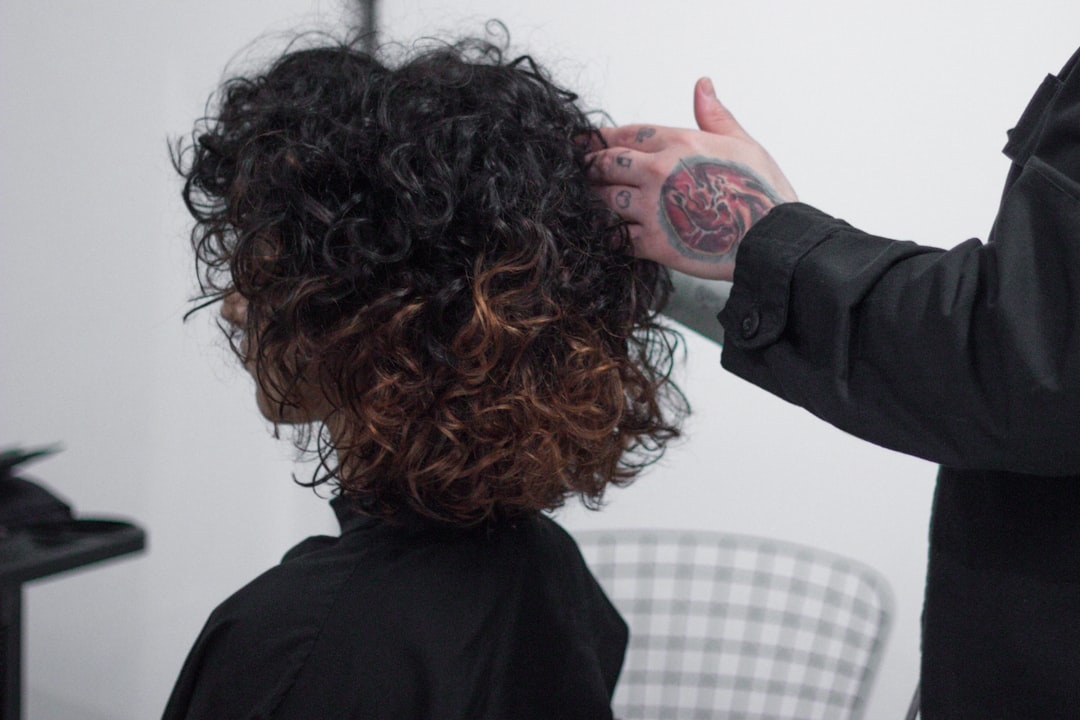
Curly hair styling works best when you enhance your natural pattern rather than fight it. Apply styling products (curl cream or gel) to soaking wet hair, then air-dry or diffuse-dry. Scrunching products upward into your hair, rather than smoothing downward, encourages curl formation. Avoid brushes when curls are dry—this causes frizz. Embrace that many “products for curly hair” are actually thicker creams or gels with hold—these coat each curl and shape it. Some people prefer heavier products (around £10-20 for quality curl creams), but starting with budget options (£5-8) makes sense until you know what works for you. Refresh curls between washes with water and a light product rather than rewashing daily—this extends style life and reduces frizz.
Straight or Wavy Hair Styling
Straight hair often needs texture and hold added through styling. Light mousses, texture sprays, or styling creams give straight hair personality without looking heavy. Blow-dry with direction—straight hair, left to its own devices, often dries flat. A round brush or even using your fingers to lift sections creates texture. For waves, employ heat (curling iron, waver tool) or heatless methods (braiding, pin curls). Straight hair responds well to structured styles like sleek bobs or polished waves because your hair naturally cooperates.
Step-by-Step: A Complete Styling Routine from Start to Finish
You can integrate these methods into a repeatable process. Start by washing with shampoo suited to your hair type, followed by conditioner (focus on mid-lengths and ends, not roots). Towel-dry thoroughly but gently. Apply heat protectant spray and, if you want hold and texture, a styling product (mousse, cream, or spray). Blow-dry using the techniques for your desired outcome—volume, smoothness, or waves. This typically takes 10-15 minutes. If using heat styling tools (curling irons, straighteners), do that now, working in sections. Finish with a cool shot from the dryer and light hairspray if desired. Total time: 15-25 minutes depending on your hair’s length and thickness. Once you’ve done this routine several times, it becomes automatic—you’ll develop your own rhythm and shortcuts.
For next-day styling, you might not need a complete re-dry. Instead, dampen your hair lightly with a spray bottle, refresh any specific section that’s lost its shape, and dry that area only. This extends your style’s life and reduces daily heat damage. Most people find one full styling session, followed by 2-3 days of light touch-ups, is realistic without excessive daily heat exposure.
Frequently Asked Questions
How often should I style my hair with heat tools?
Daily heat styling accelerates damage; aim for 3-4 times per week maximum. On other days, wear your hair down naturally or use heatless methods like braids or buns. If you must style daily, keep temperatures moderate (160-180°C) and never skip heat protectant.
Why does my style fall flat within hours?
This usually indicates insufficient hold product or inadequate cool-setting (the cool shot after heat). Try adding light hairspray as a final step. If you have very fine hair, use less product total but ensure your heat-drying creates enough structure. Humidity also flattens styles—on humid days, heavier products help.
What’s the difference between texture spray and dry shampoo?
Texture spray adds grip and definition for styling, creating a slightly matte finish. Dry shampoo absorbs oil and adds volume at roots, useful for extending wash cycles. Both can work in styling routines, but texture spray specifically aids style hold whilst dry shampoo addresses oiliness. You can use both in one styling session if needed.
Can I style my hair when it’s completely dry?
Styling completely dry hair is possible but harder. Dry hair is less responsive to shaping. If you want to style dry hair, lightly mist it with water using a spray bottle to dampen it slightly, then proceed. This takes 2-3 minutes and makes a significant difference in how well your chosen style sets.
Is expensive haircare necessary for good styling results?
No. Mid-range products from drugstores (Boots, Superdrug) perform similarly to premium salon brands for basic styling. The main differences come down to formula specificity (e.g., a curl-specific cream versus a general styling cream) rather than price tier. Spend £20-40 per month on a solid basic routine rather than £100+ on premium brands. Once you understand what your hair actually needs, you can find excellent products at any price point.
Taking Your Styling Skills Forward
Learning how to style hair effectively is genuinely achievable—you don’t need natural talent or expensive tools. What you do need is honest assessment of your hair’s characteristics, appropriate products for those characteristics, and practise with basic techniques. Your first attempts might feel clumsy or time-consuming. By your tenth styling session, you’ll move with automatic efficiency.
The real power in understanding how to style hair comes from independence. You’re no longer dependent on a hairdresser’s appointment every time you want your hair to look intentional. You can experiment with small changes—a slight wave, more volume, sleeker smoothness—based on your mood and the weather. You can adjust seasonally, adapting to humidity and temperature changes. You can make informed product choices instead of buying whatever’s advertised. That’s the substantial difference between knowing *how* to style hair and simply hoping it works out.
Start small. Pick one technique that appeals to you—perhaps just blow-drying for volume, or one heatless method like braiding. Practise that for two weeks. Then add a second technique. Within two months, you’ll have a genuine skill set. By next year, styling hair will feel as natural as brushing your teeth.