How to Use Leave in Conditioner for Curly Hair: Expert Guide
8 min read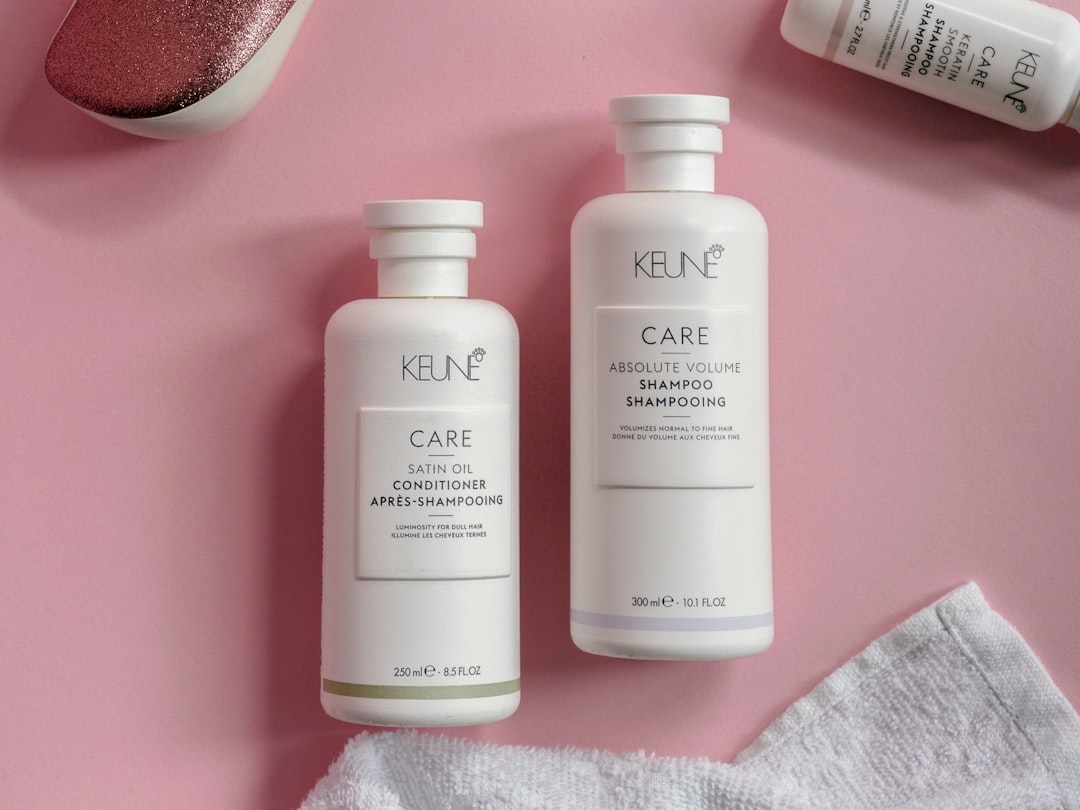
Contents:
- Understanding Leave-In Conditioner’s Role for Curly Hair
- Choosing the Right Leave-In Conditioner for Curly Hair
- Water-Based vs. Oil-Based Formulations
- Ingredients to Prioritise
- How to Use Leave In Conditioner for Curly Hair: The Complete Method
- Timing: The Critical Factor
- Sectioning Your Curls
- Application Amount and Technique
- Detangling After Application
- Application by Curl Type: Region-Specific Recommendations
- Styling After Leave-In Application
- Applying Additional Products Over Leave-In
- Plopping and Air-Drying vs. Diffusing
- Common Mistakes to Avoid When Using Leave-In Conditioner
- Leave-In Conditioner Maintenance and Next-Day Refreshing
- FAQ: Leave-In Conditioner for Curly Hair
- Can I use regular conditioner as a leave-in?
- How much leave-in conditioner do I actually need?
- What if my curls feel sticky after leave-in application?
- Should I apply leave-in to my scalp?
- Can leave-in conditioner replace deep conditioning treatments?
You’ve just stepped out of the shower, and your curls are dripping wet—the perfect moment to apply leave-in conditioner. The right product applied correctly transforms your curls from frizzy and undefined to bouncy and defined. Yet most people use leave-in conditioner incorrectly, applying too much or at the wrong hair stage, resulting in weighted-down curls rather than hydrated ones. Learning how to use leave in conditioner for curly hair properly requires understanding your curl type, product formulation, and application timing. This guide walks through every step, ensuring your curls receive optimal hydration without the flattening that excessive product creates.
Quick Answer
Apply leave-in conditioner to soaking wet (not damp) curly hair, section by section, using approximately 5ml (one teaspoon) per section for shoulder-length hair. Distribute product by scrunching upward from ends toward roots, detangle gently, then style. Timing is critical: apply immediately after shampooing before hair begins to dry. Avoid the roots if you have an oily scalp.
Understanding Leave-In Conditioner’s Role for Curly Hair
Leave-in conditioner is fundamentally different from rinse-out conditioner. Rinse-out products are heavier, designed to be applied and removed within 5 to 10 minutes, leaving some residue to condition. Leave-in products are lighter, formulated to remain in hair without rinsing, continuing to hydrate and define throughout the day and into the next day.
Curly hair needs continuous hydration because its structure (the curl pattern) requires moisture to maintain shape. Straight hair’s linear structure sits flat against the scalp, naturally receiving scalp oils. Curly hair’s circular structure sits away from the scalp, receiving minimal natural oil protection. This is why leave-in conditioner isn’t optional for curly hair—it’s fundamental to maintaining curl health and definition.
Leave-in conditioner for curly hair typically costs £4 to £15 per bottle (250ml to 500ml) and lasts 6 to 12 weeks with regular use. Cantu, SheaMoisture, and Kinky Curly are affordable, effective UK brands (£5 to £10). Premium options like Aunt Jackie’s or Miss Jessie’s cost £12 to £18 but last longer and work slightly better for some curl patterns.
Quick Answer Box
Choosing the Right Leave-In Conditioner for Curly Hair
Water-Based vs. Oil-Based Formulations
Water-based leave-in conditioners (water listed first in ingredient lists) penetrate curly hair easily and hydrate effectively without weighing curls down. Oil-based conditioners (oils listed prominently) sit on the hair surface, providing external protection but not internal moisture. For most curly-haired people, water-based formulations work better because they hydrate whilst maintaining curl lift and definition.
Curl type determines which formulation suits you best. Loose waves (type 2) often benefit from light oil-based products that reduce frizz without flattening. Medium curls (type 3) thrive with water-based leave-ins providing internal hydration. Tight coils (type 4) need water-based formulations specifically because coils are naturally drier and require internal moisture penetration.
Ingredients to Prioritise
Look for leave-in conditioners containing humectants (glycerin, honey, sorbitol) that draw moisture into your hair. These ingredients actively hydrate rather than just coating the surface. Protein content matters too: if your curls feel stretchy, weak, or breaking, you need protein-rich leave-ins (containing keratin, amino acids, or collagen). If your curls feel hard, stiff, or crunchy, you have too much protein and need moisture-focused leave-ins without protein.
Silicones (listed as dimethicone, cyclomethicone, etc.) are controversial but functional for curly hair. They create smoothness and shine whilst sealing moisture. Some curlies avoid silicones; others swear by them. Test both approaches and observe your curl response. Modern formulations often include water-soluble silicones that rinse out completely with your next wash, preventing buildup.
How to Use Leave In Conditioner for Curly Hair: The Complete Method
Timing: The Critical Factor
Apply leave-in conditioner immediately after shampooing, whilst hair is absolutely soaking wet. Soaking wet hair has open cuticles (the protective outer layer of overlapping cells) that allow leave-in conditioner to penetrate deeply. Application to damp or partially-dry hair means the cuticle is closing, reducing penetration and product effectiveness.
This timing matters enormously. A leave-in applied to soaking wet hair penetrates and hydrates for 24 to 36 hours. The same product applied to damp hair penetrates shallowly and hydrates for only 8 to 12 hours. Timing alone determines whether your leave-in conditioner becomes a workhorse product or a mediocre one.
Sectioning Your Curls
Divide soaking wet curly hair into 4 to 6 sections using clips (for fine curls, use 6 sections; for thick curls, 4 is sufficient). Smaller sections ensure every curl receives conditioner rather than some strands being missed entirely. This is particularly important for naturally curly hair where curl patterns vary dramatically across the head—some curls are tighter, others looser, requiring individual attention.
Application Amount and Technique
Use approximately 5ml (one teaspoon) of leave-in conditioner per section for shoulder-length hair. This sounds minimal but is accurate—more product creates buildup and weighting. For longer hair (mid-back), use 7 to 10ml per section; for shorter hair (chin-length), use 2 to 3ml per section. Measure by pouring into your palm initially until you develop intuition.
Apply the conditioner by pouring it into your palm, then working it through each section using a scrunching motion. Start at the ends and scrunch upward toward the roots, working product through the entire curl length. The scrunching motion allows product to distribute throughout the curl pattern rather than sitting on the surface.
Detangling After Application
Immediately after applying leave-in conditioner, gently detangle curls using a wide-tooth comb or your fingers whilst the conditioner is still wet and slippery. This is the optimal time for detangling—the conditioner acts as a lubricant preventing breakage. Detangle section by section, working from ends upward toward roots with gentle, deliberate strokes.
This step prevents knots from setting as hair dries, which would require aggressive detangling later and cause breakage. Most curl damage occurs during detangling; proper detangling whilst conditioned prevents this damage entirely.
Application by Curl Type: Region-Specific Recommendations
UK curly-haired communities vary by region. In Scotland and Northern England, harder water makes product absorption more difficult—use slightly more leave-in (10% to 15% more) to compensate for mineral buildup reducing penetration. In Southeast England and the South, softer water allows better penetration, so standard amounts work excellently. Wales and the West Coast experience high humidity, which creates frizz and curl-definition loss; use leave-in formulations with stronger hold (containing more humectants and polymers) rather than increasing quantity.
Styling After Leave-In Application
Applying Additional Products Over Leave-In
After leave-in conditioner application and detangling, your curls are ready for additional styling products if desired. Curl creams, gels, or mousses applied on top of wet leave-in conditioner provide hold and definition. The leave-in acts as a base layer (hydration), whilst styling products provide a top layer (structure and hold).
Typical sequence: shampoo, apply leave-in conditioner, detangle, apply curl cream or gel, then air-dry or diffuse. This layering approach ensures your curls receive hydration internally (from leave-in) and definition externally (from styling products) simultaneously.
Plopping and Air-Drying vs. Diffusing
After leave-in application and styling product application, “plop” (wrap curls in a microfibre towel or cotton t-shirt) for 5 to 10 minutes to remove excess water. This prevents dripping whilst preserving curl structure. Then choose your drying method:
- Air-drying: Takes 2 to 4 hours but creates softer curls with less frizz. Ideal for defined curl patterns that hold shape well.
- Diffusing: Takes 20 to 40 minutes. Uses heat (risk: frizz) but creates faster drying and slightly tighter curl patterns. Ideal for people with limited time or weaker curl definition.
Leave-in conditioner works equally well with either method. Your choice depends on time available and desired curl tightness.
Common Mistakes to Avoid When Using Leave-In Conditioner
Applying to damp hair instead of soaking wet: Effectiveness drops 50% to 70%. Always apply to soaking wet hair immediately post-shampoo.
Using too much product: More than 10ml per section creates buildup, weighting curls and making them look limp. Start with 5ml and increase only if curls feel dry.
Applying to roots on oily-scalp days: If your scalp gets oily quickly, apply leave-in only from mid-length to ends, skipping roots. Too much product at the roots accelerates oil production and creates limp appearance within hours.
Skipping detangling: Leave-in conditioner without detangling means knots set as hair dries, requiring painful detangling later. Always detangle immediately after application.
Using leave-in instead of rinse-out weekly: Leave-in is a daily maintenance product, not a deep treatment. Use rinse-out conditioner once weekly (leave on for 10 to 20 minutes) for deeper hydration than leave-in provides.
Leave-In Conditioner Maintenance and Next-Day Refreshing
Leave-in conditioner hydrates for 24 to 36 hours initially. By day two, curls need refreshing. Mist your curls with water (spray bottle, approximately 10 to 15 spritzes), then apply a tiny amount of fresh leave-in (approximately 2 to 3ml total) and scrunch gently. This refresh takes 3 to 5 minutes and restores curl definition for another 12 to 24 hours.
By day three or four, curls typically need full re-washing. Overusing leave-in without washing creates buildup that makes curls look dull and feel sticky. A typical curly-hair routine involves wash days once weekly, then daily refreshing with misting and minimal product until the next wash.
FAQ: Leave-In Conditioner for Curly Hair
Can I use regular conditioner as a leave-in?
Not ideally. Regular rinse-out conditioners are formulated heavier and can weigh curls down. Leave-in conditioners are specifically formulated lighter for on-the-hair use. Occasionally using rinse-out as leave-in won’t cause problems, but dedicated leave-in products work better.
How much leave-in conditioner do I actually need?
For shoulder-length curls: approximately one teaspoon (5ml) per section. For a full head of curls, typically 20 to 30ml total. This seems minimal but is correct. Most people use 2 to 3 times too much product, which creates buildup and weighting.
What if my curls feel sticky after leave-in application?
You’ve likely used too much product. Sticky, gummy curls indicate product overload. Try again, using 25% to 50% less product. Alternatively, your product might be incompatible with your hair type—experiment with different formulations to find one that doesn’t create stickiness even at moderate quantities.
Should I apply leave-in to my scalp?
Only if you have a dry scalp. Most people should apply from mid-length to ends, skipping the scalp entirely. If you have a dry scalp (uncommon), apply leave-in to the scalp as well, but use slightly less product overall.
Can leave-in conditioner replace deep conditioning treatments?
No. Leave-in provides daily hydration maintenance; deep conditioners provide intensive hydration for problem-solving (dryness, damage). Use leave-in daily and add a deep conditioning rinse-out treatment weekly for optimal curly hair health.
Mastering how to use leave in conditioner for curly hair transforms your curl routine from mediocre to outstanding. The three critical elements are timing (immediately post-shampoo to soaking wet hair), amount (minimal—5ml per section), and technique (scrunching to distribute throughout curls, detangling immediately). These fundamentals ensure every leave-in conditioner product—regardless of price—performs at its maximum effectiveness. Begin with your current leave-in conditioner and apply it using these precise methods. Within three to four washes, you’ll notice dramatically improved curl hydration, definition, and longevity. If results still seem suboptimal, consider switching products—your technique is sound, but your product may not match your specific curl type or water hardness. Persist with this approach and your curls will reward you with the health and definition you’ve been seeking.